Introduction
Watching the Moon is one of the simplest and most rewarding ways to connect with the night sky. A moon observation schedule helps you track lunar phases and plan your viewing nights effectively. Whether you are a beginner or an astronomy enthusiast, understanding the Moon’s cycle makes your observations more enjoyable. In this guide, we will explore the Moon’s phases, the best times to observe, and practical tips for tracking it throughout the year. By following a proper schedule, you can never miss a beautiful full Moon or crescent view.
Understanding the Moon Phases
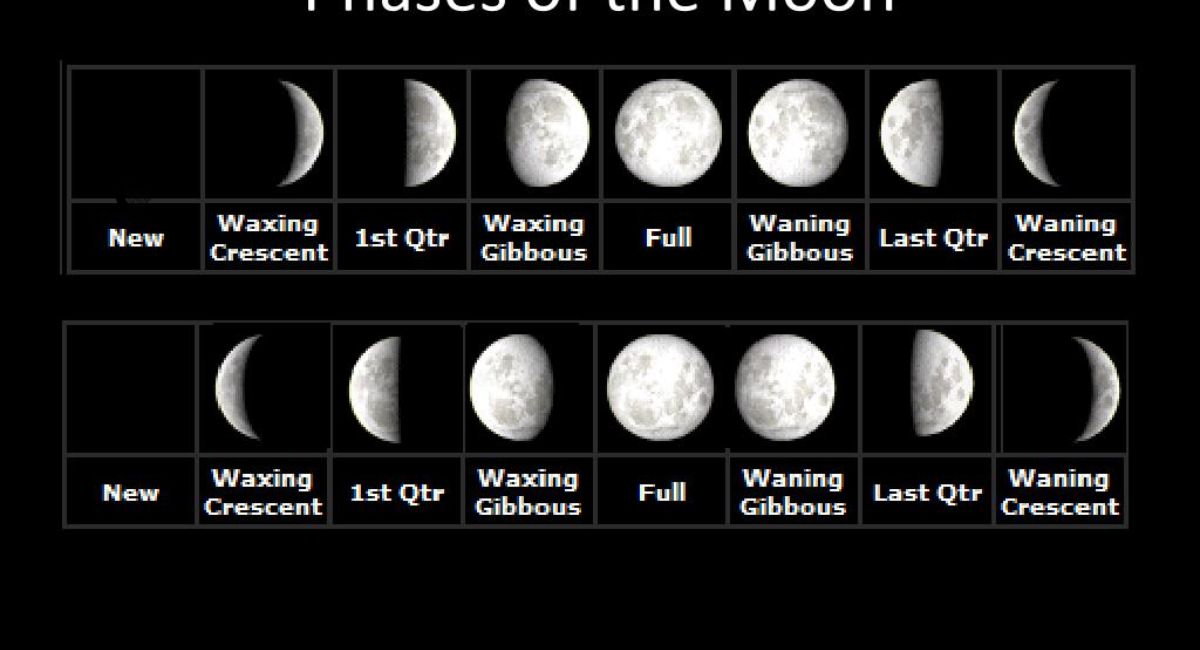
The Moon goes through a cycle of phases that repeats approximately every 29.5 days. These phases include the new Moon, first quarter, full Moon, and last quarter. Each phase has unique characteristics that affect how the Moon appears in the sky.
During the new Moon, the Moon is not visible because it is positioned between the Earth and Sun. As the days progress, it moves into a waxing crescent, growing brighter each night. The first quarter Moon appears as a half-circle in the sky, offering excellent opportunities for observing surface details with binoculars or a small telescope. The full Moon lights up the night sky completely, providing the most spectacular views. Following this, the Moon enters a waning phase, shrinking into a last quarter and then a waning crescent.
A moon observation schedule is built around these phases, helping you decide the best nights for observation based on your goals. For example, if you want to see detailed lunar features, the first or last quarter is ideal.
Best Times for Moon Observation
The timing of your observations greatly affects what you can see. While the full Moon is bright and captivating, it can wash out finer details on the surface due to its brightness. For detailed viewing, nights near the first or last quarter Moon are preferable. During these times, shadows on the Moon’s surface highlight craters and mountains, making features easier to spot.
Early evening or late night is usually the best time to observe, depending on your location and the phase of the Moon. In addition, a clear sky with minimal light pollution improves visibility. Using a moon observation schedule, you can track which nights are best for your area, plan equipment setup, and enjoy the Moon at its most photogenic times.
Creating a Moon Observation Schedule
Building a moon observation schedule is easier than it sounds. Start by noting the dates of the major phases: new Moon, first quarter, full Moon, and last quarter. Next, identify the best viewing times for each phase. Consider including details such as moonrise, moonset, and peak visibility hours.
You can create a monthly table to make planning simple:
| Moon Phase | Date | Best Viewing Time | Notes |
| New Moon | 5th Dec | Evening | Moon not visible |
| First Quarter | 12th Dec | Night | Great for crater details |
| Full Moon | 19th Dec | Night | Bright, spectacular views |
| Last Quarter | 27th Dec | Early Night | Shadows highlight features |
A moon observation schedule like this allows you to plan well in advance. You can also mark special events, such as lunar eclipses or supermoons, to ensure you don’t miss extraordinary sights.
Tips for Observing the Moon
Observing the Moon is simple, but these tips can enhance your experience. First, use binoculars or a small telescope to see more details. Even a standard pair of binoculars can reveal craters, maria, and mountain ranges.
Second, check the weather and avoid nights with heavy clouds. Clear skies are essential for a good view. Third, choose locations with minimal light pollution. Urban lights can reduce visibility and affect your experience.
Fourth, take notes or photographs during your observation. Keeping a lunar journal alongside your moon observation schedule allows you to track changes and improve your skills. Finally, observe the Moon regularly to understand its movement, appearance, and phases. The more you observe, the more patterns you will notice, making your schedule even more effective.
Using Technology for Moon Observation
Modern technology makes moon observation easier than ever. Apps and websites provide real-time lunar maps, phase calendars, and moonrise/moonset times. By integrating these tools with your moon observation schedule, you can plan observations more efficiently.
For example, you can receive notifications when the Moon reaches a specific phase or when a lunar event occurs. Many apps also provide augmented reality views, showing the Moon’s position in the sky for your location. Combining technology with a schedule ensures you never miss an important night for observation, making your lunar experience more enjoyable.
Planning for Special Lunar Events
Some nights offer extraordinary lunar events like lunar eclipses, supermoons, or blue moons. Including these events in your moon observation schedule adds excitement and unique opportunities.
A special events table can help:
| Event | Date | Best Viewing Time | Tips |
| Lunar Eclipse | 14th Nov | Night | Clear skies essential |
| Supermoon | 27th Apr | Evening | Look for larger appearance |
| Blue Moon | 31st Aug | Night | Rare event, enjoy visuals |
Planning in advance allows you to prepare equipment, find ideal locations, and even invite friends for shared observation experiences. By keeping your moon observation schedule up-to-date, you can ensure you never miss a spectacular night.
Common Challenges and How to Overcome Them
Even with a moon observation schedule, some challenges can arise. Cloudy or rainy weather can obstruct your view. To overcome this, always check the weather forecast and have flexible backup dates.
Light pollution from urban areas can also affect visibility. Observing from parks or rural areas improves your experience. If you rely on technology, ensure apps and devices are updated to provide accurate phase information.
Finally, don’t get discouraged if you miss a night. The Moon repeats its cycle every 29.5 days, so another opportunity will come soon. A consistent moon observation schedule will help you maximize the chances of observing the Moon clearly and consistently.
Benefits of Following a Moon Observation Schedule
Using a moon observation schedule provides several benefits. It allows you to plan viewing sessions efficiently, track lunar phases, and notice patterns over time. You can also coordinate observations with special events, making the experience more memorable.
For beginners, following a schedule helps build knowledge of the Moon’s movement, surface features, and behavior. For enthusiasts, it enhances photography opportunities and allows for systematic observation of lunar details. By organizing your observations, you make every night under the Moon more purposeful and enjoyable.
Conclusion
A moon observation schedule is an essential tool for anyone who loves to watch the Moon. By understanding lunar phases, planning your nights, and using technology, you can make every observation more rewarding. Whether you are observing for fun, learning, or photography, a well-prepared schedule ensures you never miss a beautiful view. Start today, track your observations, and enjoy the wonders of the Moon every month.
FAQs About Moon Observation Schedule
Q1: How often should I update my moon observation schedule?
It is best to update your schedule monthly to include new lunar events, moonrise/moonset times, and changes in the Moon’s phases.
Q2: What is the best phase for observing lunar craters?
The first quarter and last quarter are ideal because shadows highlight the Moon’s surface features.
Q3: Can I observe the Moon in a city?
Yes, but light pollution may affect visibility. Parks or rural areas provide better conditions.
Q4: Are apps useful for moon observation?
Yes, apps can provide real-time lunar maps, phase calendars, and notifications for special events.
Q5: How do I track lunar eclipses in my schedule?
Include a table of special events with dates, best viewing times, and tips to ensure you don’t miss them.