Understanding the Moon Phase
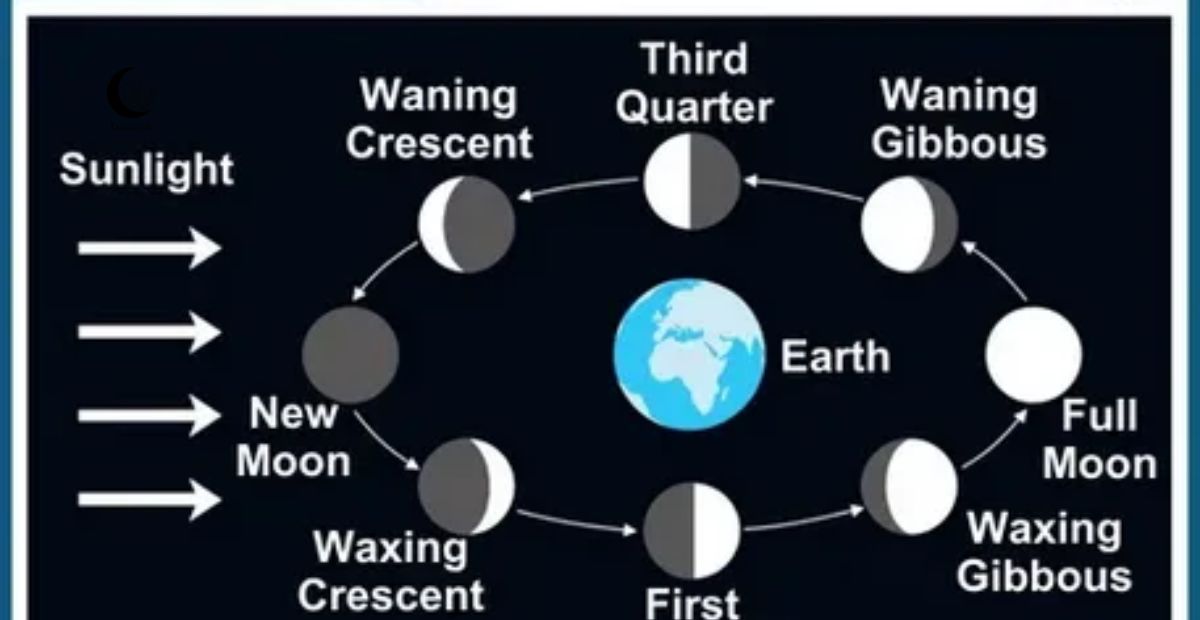
The moon phase refers to how much of the Moon is visible from Earth as it orbits around us. Each phase has a unique appearance and is linked with different energies that people often use for planning, manifestation, emotional reflection, and understanding personal rhythms. The cycle begins with the New Moon and moves through eight major phases until it returns to the starting point again. Many people believe that moon phases deeply influence mood, decisions, spiritual practices, and even productivity levels.
The moon constantly changes its shape in the sky, and each shape or phase carries a symbolic meaning. For example, a New Moon represents fresh starts, while a Full Moon symbolizes completion and clarity. Understanding your moon phase can help you plan better, set intentions, and navigate emotional states more smoothly. Whether you’re into astrology or simply curious about natural cycles, learning about moon phases can bring balance and insight into your daily life.
Knowing your moon phase at birth is also becoming very popular. This birth moon phase is believed to give clues about your personality, emotional style, and intuition. Many people use moon phase calculators to discover their birth phase and understand themselves better.
Types of Moon Phases and What They Mean
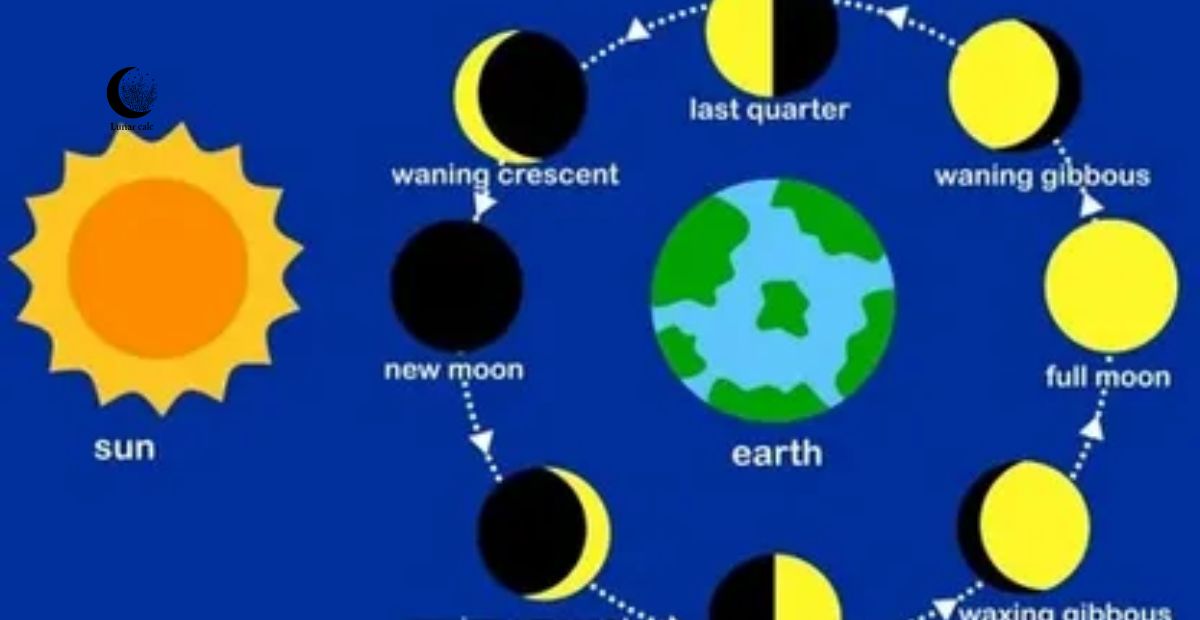
The moon moves through eight primary phases every 29.5 days. Each phase has its own symbolism and emotional influence. The phases help people plan activities, reflect on goals, and understand internal energy shifts. Some phases encourage rest and introspection, while others are great for creativity, action, and manifestation.
The New Moon is the phase associated with new beginnings. It’s a time when the sky is dark, symbolizing a fresh slate. The Waxing Crescent encourages planning and hope. The First Quarter phase is about taking action and overcoming challenges. The Waxing Gibbous represents refinement and improvement.
Then comes the Full Moon, the brightest phase, symbolizing clarity, celebration, and emotional intensity. The Waning Gibbous focuses on gratitude and sharing wisdom. The Third Quarter invites release and adjustments. Finally, the Waning Crescent helps you rest, heal, and prepare for the next cycle.
Here is a simple table that explains each moon phase clearly:
| Moon Phase | Meaning |
| New Moon | New beginnings, fresh intentions |
| Waxing Crescent | Planning, hope, early progress |
| First Quarter | Action, decision-making |
| Waxing Gibbous | Refining goals, improvements |
| Full Moon | Clarity, completion, manifestation |
| Waning Gibbous | Gratitude, sharing, teaching |
| Third Quarter | Release, letting go |
| Waning Crescent | Healing, rest, closure |
How the Moon Phase Influences Emotions and Energy
Many people believe that moon phases affect emotions, energy levels, and overall mood. While it isn’t scientifically proven, thousands of people report feeling different during each phase. For instance, during a Full Moon, emotions often feel intense or heightened. Some people experience restlessness or increased creativity. During the Waning phases, people often feel reflective, calm, or ready to release things that no longer work for them.
The New Moon is a quiet phase. It often brings a sense of peace and a desire to withdraw, plan, or get grounded. Many people choose to set new goals during this time because the energy supports intention-setting. The Waxing phases build momentum, helping you take action toward your desires.
If you track your emotions with the moon phases for a few months, you may start to notice patterns. Some people feel more social during the Waxing Gibbous, while others may feel overwhelmed during the First Quarter. Understanding these personal rhythms can help you manage stress, plan tasks, and improve emotional awareness.
By paying attention to how you feel in each phase, you can find balance and make better decisions. Whether it’s productivity, relationships, or creativity, the moon phase can serve as an emotional guide.
Using Moon Phases in Daily Life for Better Results
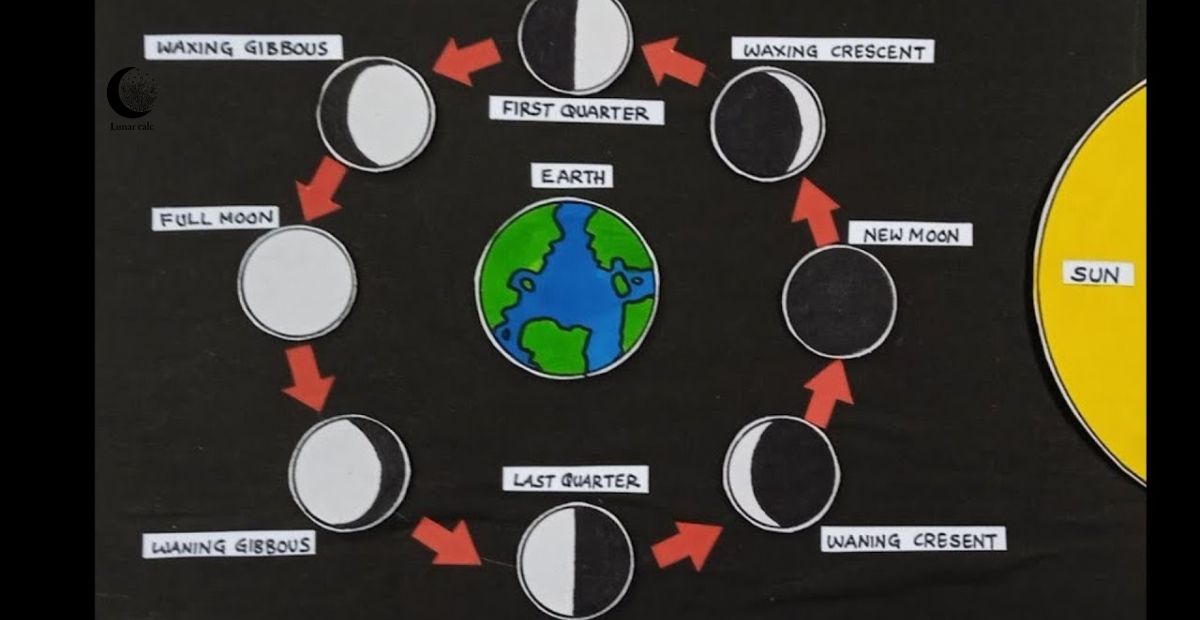
Moon phases are often used in manifestation practices, planning routines, emotional healing, and spiritual growth. Many people structure their monthly routines around the moon cycle to stay aligned with natural energy shifts. For example, the New Moon is a great time to journal or set intentions for what you want to achieve in the coming weeks. Some people create vision boards or make small lifestyle changes during this phase.
As the moon waxes, you can start taking action. This includes starting new projects, making decisions, or taking bold steps. The Full Moon is ideal for celebrating progress or gaining clarity about anything confusing. Some people meditate or perform cleansing rituals to release emotional blocks.
The Waning phases are perfect for cleaning your home, removing old habits, ending unhealthy cycles, or slowing down. This is a natural time to reflect, rest, and recharge before the next cycle begins.
Whether you follow moon rituals or simply want a natural planning system, using moon phases can bring structure, balance, and meaning to your routine.
Moon Phase Table for Quick Reference
Here is a simple table to help you remember what each moon phase represents and what to focus on:
| Phase | Best For |
| New Moon | Goal setting, new beginnings, intentions |
| Waxing Crescent | Planning, starting small steps |
| First Quarter | Taking action, solving problems |
| Waxing Gibbous | Review, improvements, polishing work |
| Full Moon | Celebrating, gaining clarity, manifestation |
| Waning Gibbous | Reflecting, gratitude, sharing wisdom |
| Third Quarter | Releasing, changing direction |
| Waning Crescent | Rest, healing, preparation |
FAQs About Moon Phases
What is a moon phase?
A moon phase is the shape of the Moon we see from Earth as it orbits. Different phases appear depending on how sunlight reflects off the Moon.
Which moon phase is good for manifestation?
The Full Moon is ideal for manifestation, while the New Moon is best for setting new intentions.
How often does the moon cycle repeat?
The moon goes through all eight phases every 29.5 days.
Can moon phases affect mood?
Many people report emotional changes with moon phases, especially during the Full Moon, though scientific evidence is limited.
How can I find my birth moon phase?
You can use a moon phase calculator by entering your birth date. It will show the exact moon phase on the day you were born.