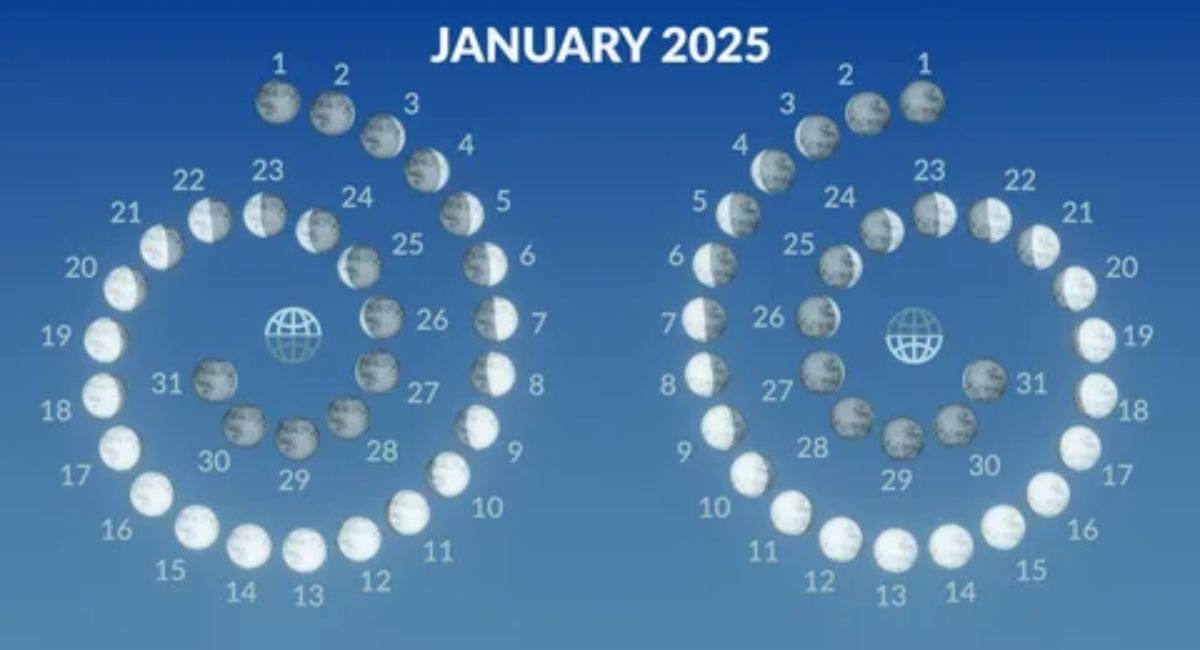
The Moon Phase on January 1, 2026 is a topic that interests students, sky watchers, planners, and people who follow lunar cycles.. It affects tides, calendars, farming, and even personal planning for many people. Knowing the Moon Phase on January 1, 2026 helps you understand how the year begins from a lunar point of view. This guide explains everything in simple words so anyone can understand it easily.
January 1 marks the first day of the year. When this day starts with a specific moon phase, it sets a lunar tone for the coming days. The Moon Phase on January 1, 2026 is not just an astronomy fact. It is also useful for learning, planning, and observation. In this article, you will learn which moon phase appears on this date, what it means, how it looks in the sky, and why it matters. The content is easy to read and written in clear language for all users.
Moon Phase on January 1, 2026 Explained Simply
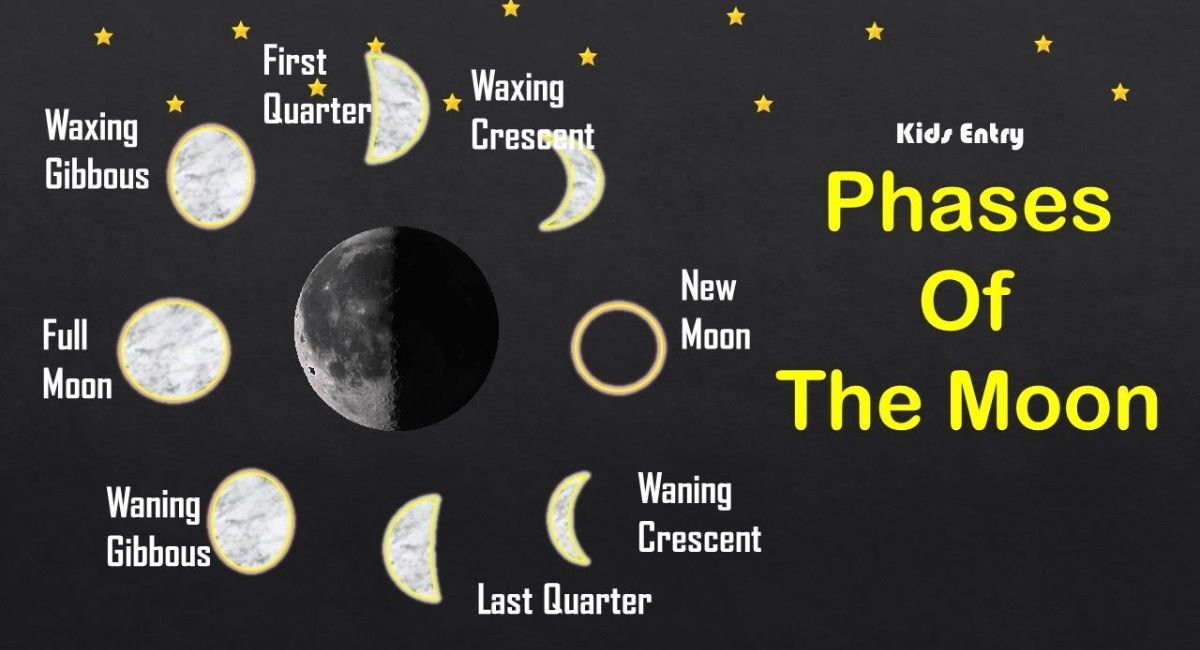
The Moon Phase on January 1, 2026 is the Waxing Gibbous phase. This means the Moon is more than half lit but not yet full. The illuminated part of the Moon continues to grow each night. On this date, the Moon appears bright and large in the night sky. It rises in the afternoon and remains visible for most of the night.
A Waxing Gibbous Moon shows that the lunar cycle is moving toward the Full Moon. This phase comes after the First Quarter Moon. It usually feels energetic and active. Many people believe this phase supports progress and growth. From an educational point of view, this phase helps students understand how the Moon changes shape as it orbits Earth.
The Moon Phase on January 1, 2026 is easy to observe if the sky is clear. You can see strong light and clear surface details. This makes it a good time for learning basic moon observation. This phase reminds us that the Moon is always changing, even when we do not notice it daily.
How the Moon Phase on January 1, 2026 Looks in the Sky
The Moon Phase on January 1, 2026 appears as a nearly full circle with a small dark edge. Most of the Moon’s surface reflects sunlight. In the Northern Hemisphere, the bright part appears on the right side. This visual detail helps beginners identify the phase correctly.
This Moon is best seen in the evening and night hours. It rises before sunset and stays visible until early morning. The brightness of the Waxing Gibbous Moon can light up the landscape. In rural areas, it may reduce the visibility of faint stars. In cities, it still stands out clearly due to its size and glow.
Observing the Moon Phase on January 1, 2026 does not require any special equipment.. Binoculars can help you notice craters and surface shadows. This makes it an excellent learning opportunity for students and families starting the new year with sky observation.
Why the Moon Phase on January 1, 2026 Is Important
The Moon Phase on January 1, 2026 is important because it marks how the lunar cycle begins with the new year. Many calendars, traditions, and studies look at the Moon to understand time and natural rhythm. Starting the year with a Waxing Gibbous Moon symbolically represents growth and movement forward.
From a scientific view, this phase helps explain the Moon’s orbit around Earth. Students can learn how sunlight hits the Moon from different angles. Teachers often use dates like January 1 to connect science lessons with real-life events. This makes learning more interesting and memorable.
For people who follow lunar planning, the Moon Phase on January 1, 2026 suggests focusing on progress. It is a time to continue goals rather than start from zero. The phase supports action and preparation before completion. This makes it meaningful both academically and personally.
Lunar Cycle Position of Moon Phase on January 1, 2026
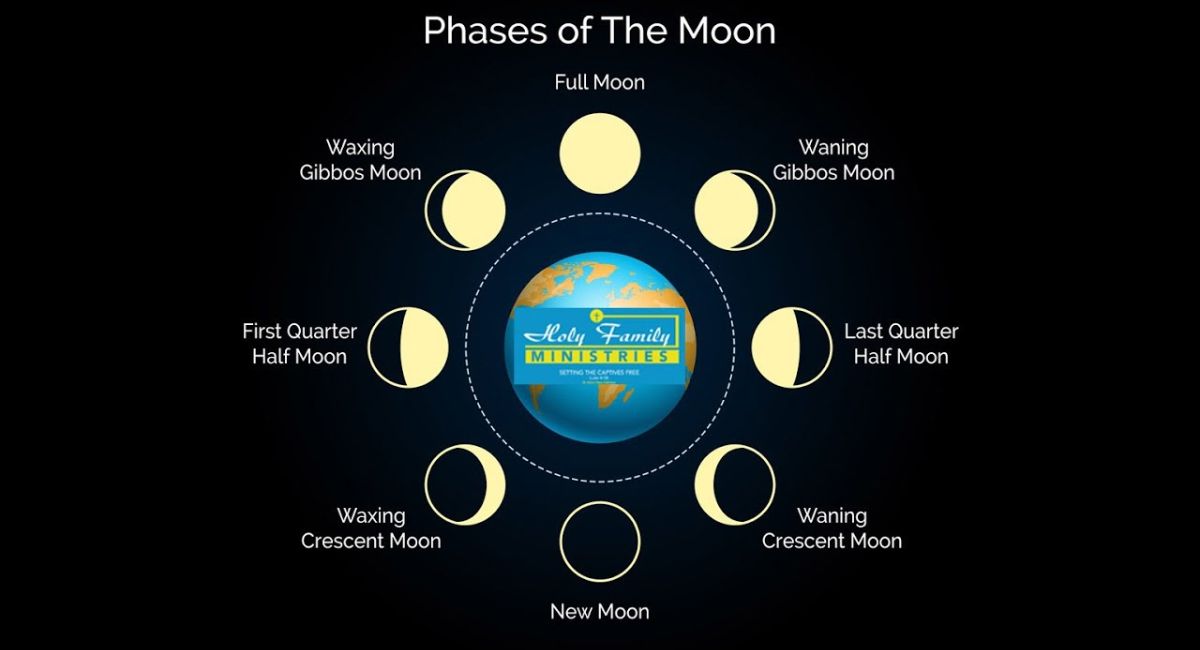
The Moon Phase on January 1, 2026 falls between the First Quarter and the Full Moon. This position shows that the Moon has already passed the early growth stage. The energy of the cycle feels strong and steady. This part of the lunar cycle often focuses on improvement and refinement.
The lunar cycle lasts about 29.5 days. Each phase has a role in showing how the Moon moves and changes. On January 1, 2026, the Moon is moving closer to full brightness. This helps learners understand the sequence of moon phases clearly.
Knowing the Moon Phase on January 1, 2026 also helps people predict upcoming phases. After this date, the Full Moon arrives soon. This makes it easier to plan sky watching or educational activities around the lunar calendar.
Table: Moon Phase Details for January 1, 2026
| Detail | Information |
| Date | January 1, 2026 |
| Moon Phase | Waxing Gibbous |
| Illumination | Around 70–80% |
| Visibility | Afternoon to early morning |
| Best for Viewing | Evening and night |
This table gives quick and clear information about the Moon Phase on January 1, 2026. It helps readers understand the key facts at a glance.
Educational Value of Moon Phase on January 1, 2026
The Moon Phase on January 1, 2026 has strong educational value. It allows students to connect theory with real observation. Learning about moon phases becomes easier when students can see the Moon themselves on a known date.
Teachers can use this date to explain concepts like lunar illumination, orbit, and reflection of sunlight. The Waxing Gibbous phase is ideal for showing surface details. This helps students understand why the Moon looks different each night.
For home learners, the Moon Phase on January 1, 2026 offers a simple science activity. Observing the Moon for a few nights shows clear changes. This builds curiosity and interest in space science using real-world examples.
Cultural and Traditional Meaning of Moon Phase on January 1, 2026
The Moon Phase on January 1, 2026 also holds cultural meaning for many people. Across history, humans have looked at the Moon to mark time and seasons. A bright growing Moon at the start of the year often symbolizes hope and progress.
In some traditions, a Waxing Gibbous Moon is linked with preparation and effort. It represents moving closer to goals. While these beliefs are cultural, they show how deeply the Moon connects with human life.
Understanding the Moon Phase on January 1, 2026 helps readers appreciate both science and tradition. It shows how astronomy and culture often meet in simple natural events.
How to Observe the Moon Phase on January 1, 2026
Observing the Moon Phase on January 1, 2026 is easy and enjoyable. The Moon rises before sunset, so you can start watching early in the evening.
Allow your eyes to adjust to the dark. You will notice the Moon’s bright surface clearly. If you have binoculars, you can explore craters and shadows. This phase offers excellent visibility for beginners.
Keeping a small notebook while observing the Moon Phase on January 1, 2026 can improve learning. Write down how it looks and how long it stays visible. This simple habit builds observation skills and interest in astronomy.
Moon Phase on January 1, 2026 and Personal Planning
Many people use the Moon Phase on January 1, 2026 for personal planning. The Waxing Gibbous phase supports effort and consistency. It is a good time to work on goals set earlier.
This phase encourages review and improvement. Instead of starting new plans, people focus on strengthening existing ones. The Moon’s growing light reflects steady progress and patience.
While planning by the Moon is a personal choice, the Moon Phase on January 1, 2026 provides a calm and focused start to the year. It reminds people that growth takes time.
Scientific Facts About Moon Phase on January 1, 2026
The Moon Phase on January 1, 2026 occurs because of the Moon’s position between Earth and the Sun. The Sun lights up most of the Moon’s visible surface. The remaining shadow shows the phase clearly.
This phase is not caused by Earth’s shadow. It happens due to angles and movement in space. Understanding this helps remove common misconceptions about moon phases.
Learning the science behind the Moon Phase on January 1, 2026 builds strong basics in astronomy. It teaches observation, patterns, and motion in a simple and clear way.
FAQs About Moon Phase on January 1, 2026
What is the Moon Phase on January 1, 2026?
The Moon Phase on January 1, 2026 is Waxing Gibbous, meaning the Moon is more than half illuminated and growing brighter.
Can I see the Moon clearly on January 1, 2026?
Yes, the Moon is bright and visible from afternoon until early morning if the sky is clear.
Is the Moon Phase on January 1, 2026 good for learning astronomy?
Yes, this phase is ideal for beginners because the Moon is bright and surface details are easy to observe.
Does the Moon Phase on January 1, 2026 affect daily life?
Scientifically, it affects tides. Culturally, many people use it for planning and reflection.
How soon is the Full Moon after January 1, 2026?
The Full Moon follows a few days later, as the Waxing Gibbous phase moves toward full illumination.
Final Thoughts on Moon Phase on January 1, 2026
The Moon Phase on January 1, 2026 offers a meaningful and educational start to the year. It combines science, observation, and tradition in one simple natural event. This Waxing Gibbous Moon reminds us that growth is ongoing and steady.
By understanding this moon phase, readers gain knowledge that is useful for learning, planning, and appreciation of nature. The Moon continues to guide curiosity and learning, just as it has for centuries.