Introduction: Why the 2026 Moon Calendar Matters
The Moon has always played a powerful role in human life. From controlling ocean tides to shaping ancient calendars, the Moon connects nature, science, and tradition. Even today, people around the world follow the Moon to plan farming, fishing, spiritual practices, and sky-watching activities.
The full moon calendar 2026 is especially exciting because this year includes 13 Full Moons, a rare Blue Moon, three Supermoons, three Micromoons, and two major lunar eclipses. These events make 2026 one of the most interesting years for Moon lovers and astronomy enthusiasts.
This complete guide will help you understand every Full Moon in 2026, including exact dates, traditional names, special events, and the science behind the Moon’s cycle. Whether you are a beginner or a regular moon watcher, this article will keep you fully informed.
Full Moon Calendar 2026: Dates and Traditional Names
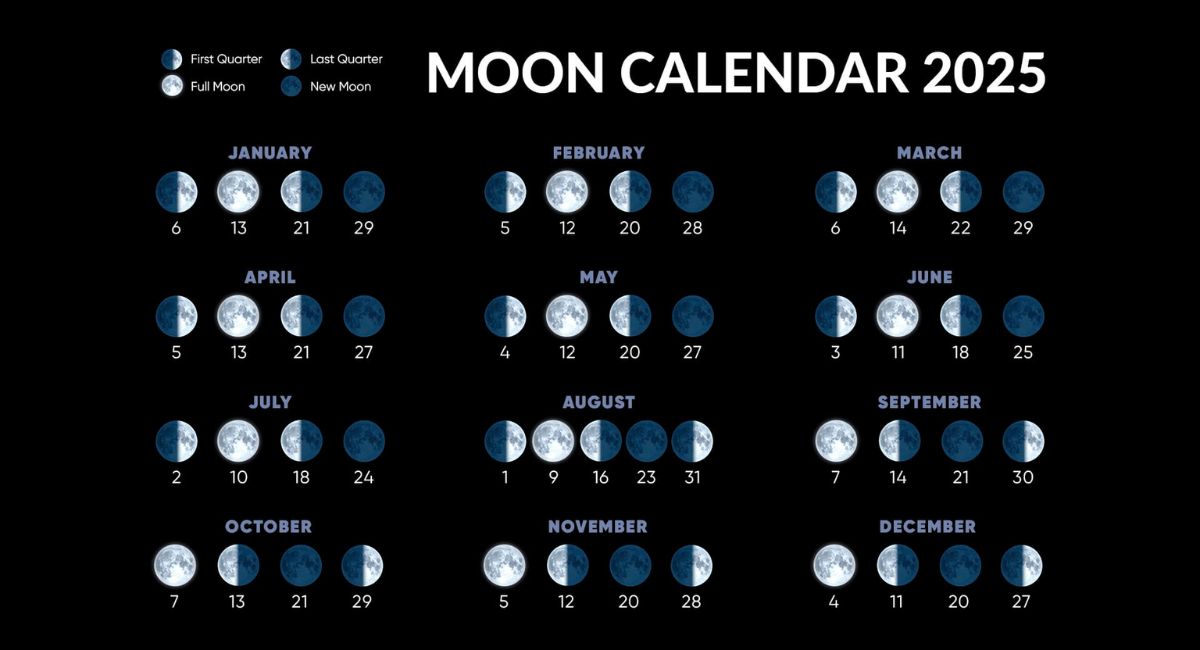
The year 2026 will feature 13 Full Moons, which happens when the lunar cycle fits an extra full moon into the calendar year. The Moon appears fully illuminated for nearly one full night, even though the exact peak moment happens at a specific time.
| Month | Full Moon Date (2026) | Traditional Name | Special Feature |
|---|---|---|---|
| January | January 3 | Wolf Moon | Supermoon |
| February | February 1 | Snow Moon | — |
| March | March 3 | Worm Moon | Total Lunar Eclipse |
| April | April 1 | Pink Moon | — |
| May | May 1 | Flower Moon | Micromoon |
| May | May 31 | Blue Moon | Micromoon |
| June | June 29 | Strawberry Moon | Micromoon |
| July | July 29 | Buck Moon | — |
| August | August 28 | Sturgeon Moon | Partial Eclipse |
| September | September 26 | Harvest Moon | — |
| October | October 26 | Hunter’s Moon | — |
| November | November 24 | Beaver Moon | Supermoon |
| December | December 23 | Cold Moon | Supermoon |
January Full Moon 2026: Wolf Moon (Supermoon)
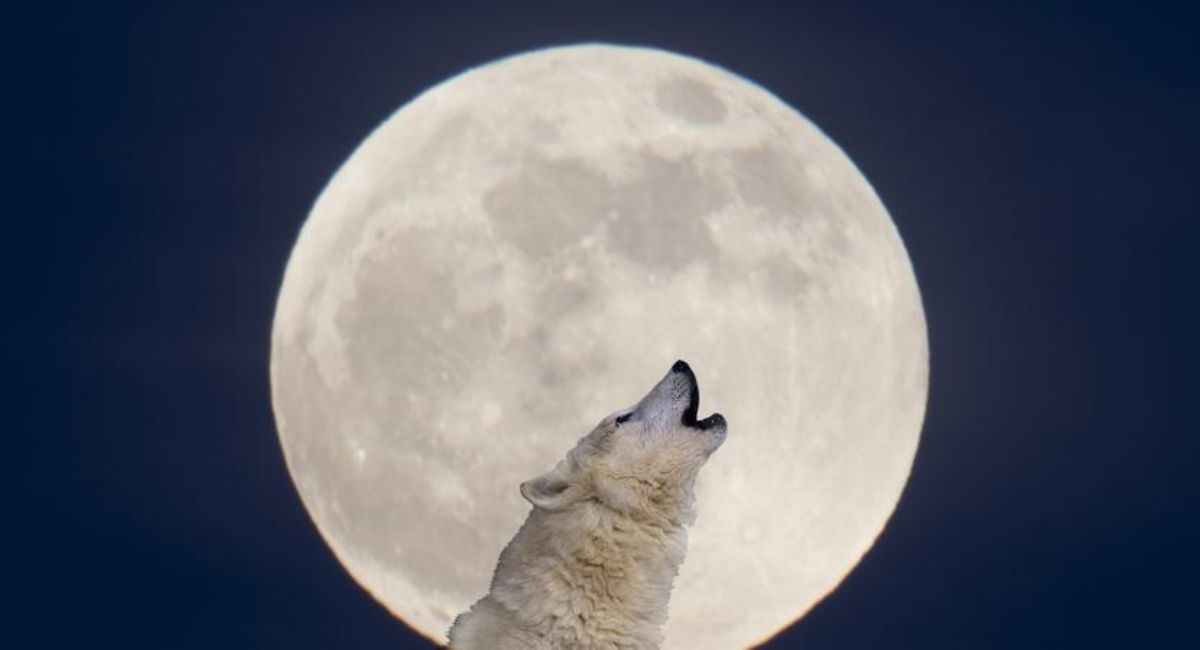
The Wolf Moon is the first full moon of the year and appears on January 3, 2026. It gets its name from ancient times when wolves were often heard howling during the cold winter nights.
This Full Moon is also a Supermoon, meaning the Moon will be closer to Earth than usual. As a result, it will appear larger and brighter in the night sky.
Traditionally, the Wolf Moon represents reflection, inner strength, and setting goals for the year ahead. It is a powerful time to focus on personal intentions and long-term planning.
February Full Moon 2026: Snow Moon
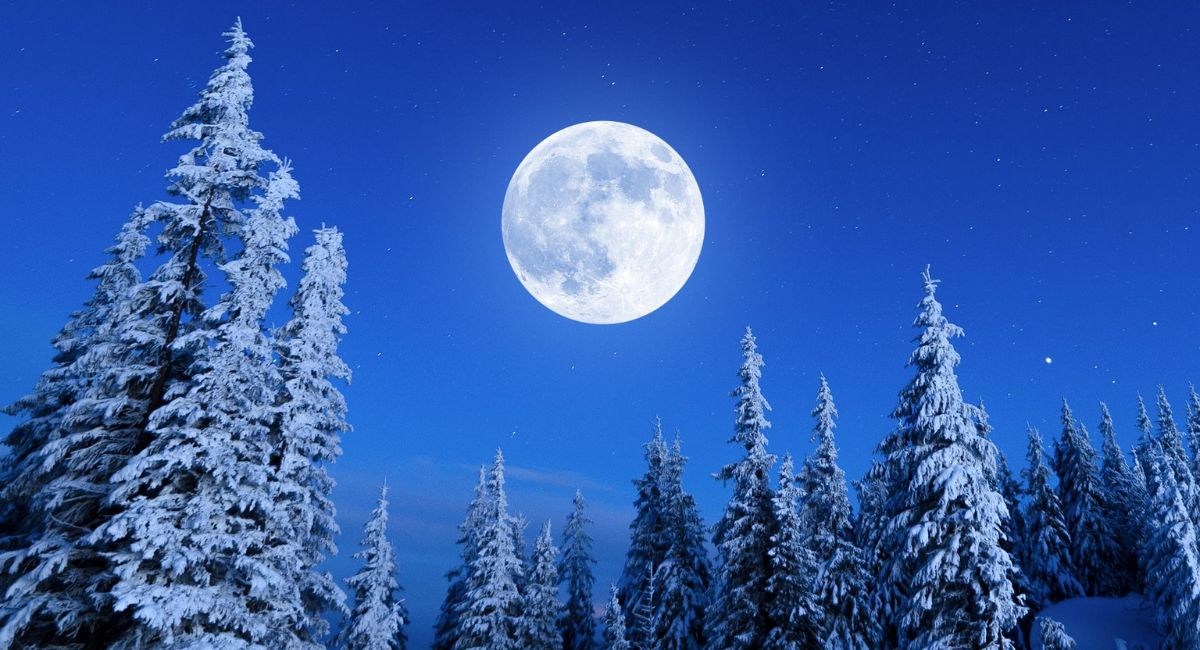
The Snow Moon appears on February 1, 2026. This name comes from the heavy snowfall common during February in the Northern Hemisphere.
In ancient cultures, this moon symbolized patience and survival. Food supplies were often low, and people depended on careful planning to get through winter.
The Snow Moon reminds us to slow down, conserve energy, and prepare for better days ahead.
March Full Moon 2026: Worm Moon (Total Lunar Eclipse)
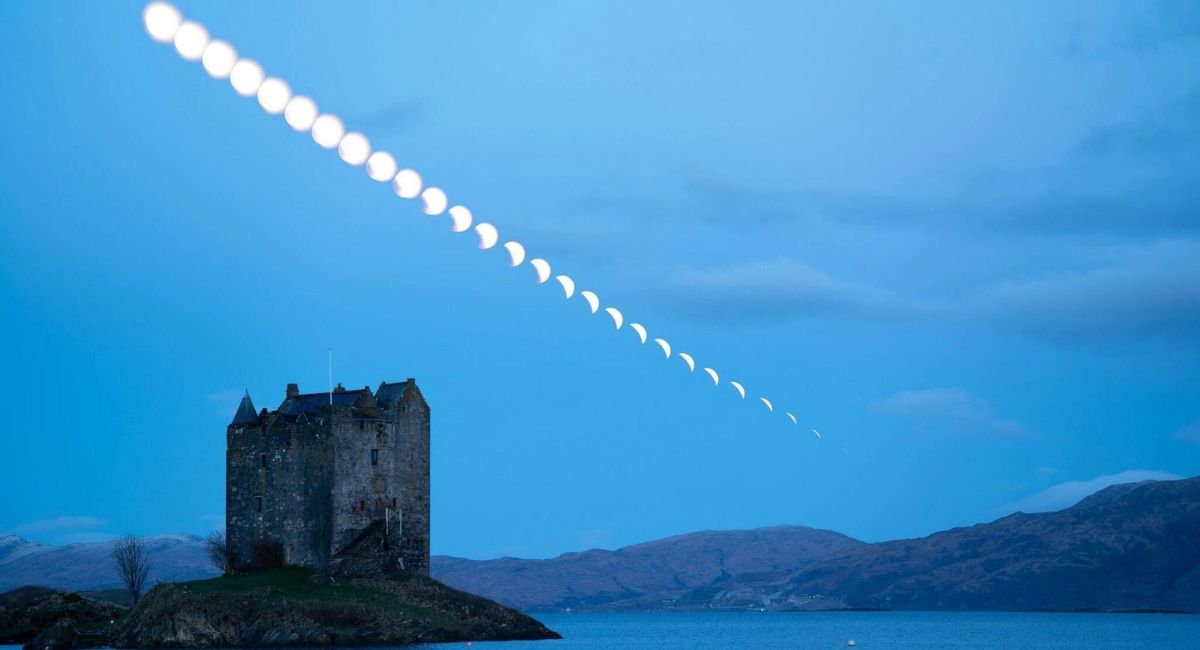
The Worm Moon occurs on March 3, 2026, and it marks the beginning of spring. The name comes from earthworms reappearing as the soil begins to warm.
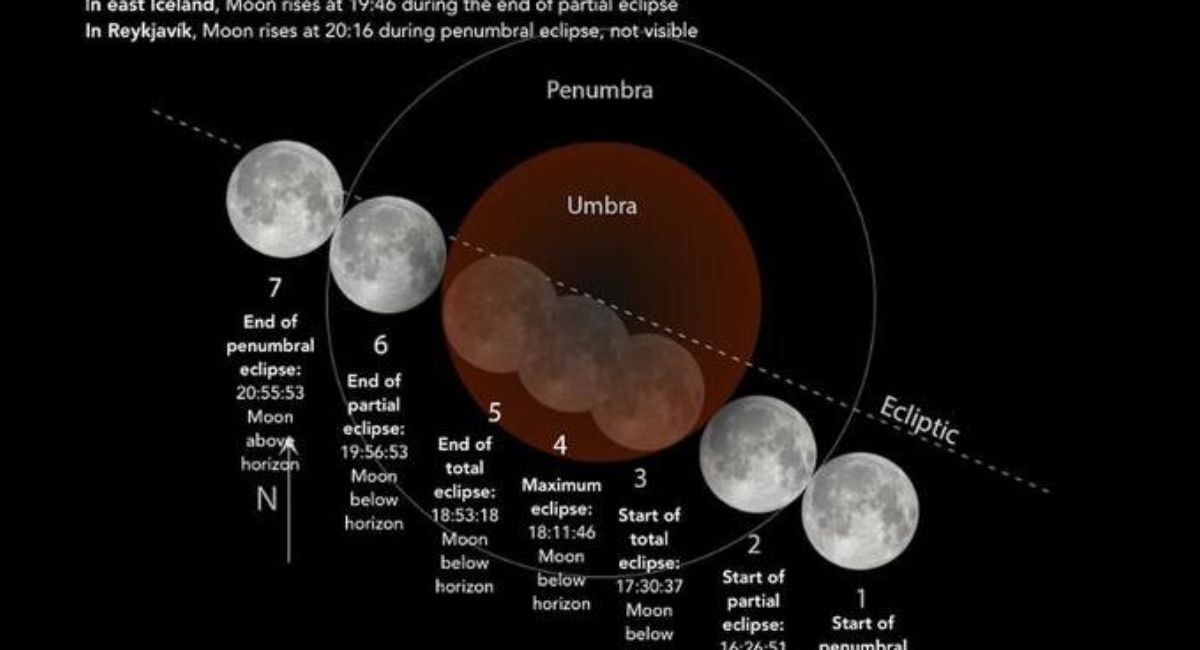
This Full Moon is special because it includes a Total Lunar Eclipse. During the eclipse, Earth’s shadow will fully cover the Moon, turning it a deep red color. This is often called a Blood Moon.
This event symbolizes transformation, endings, and new beginnings. It is one of the most dramatic lunar events of 2026.
April Full Moon 2026: Pink Moon
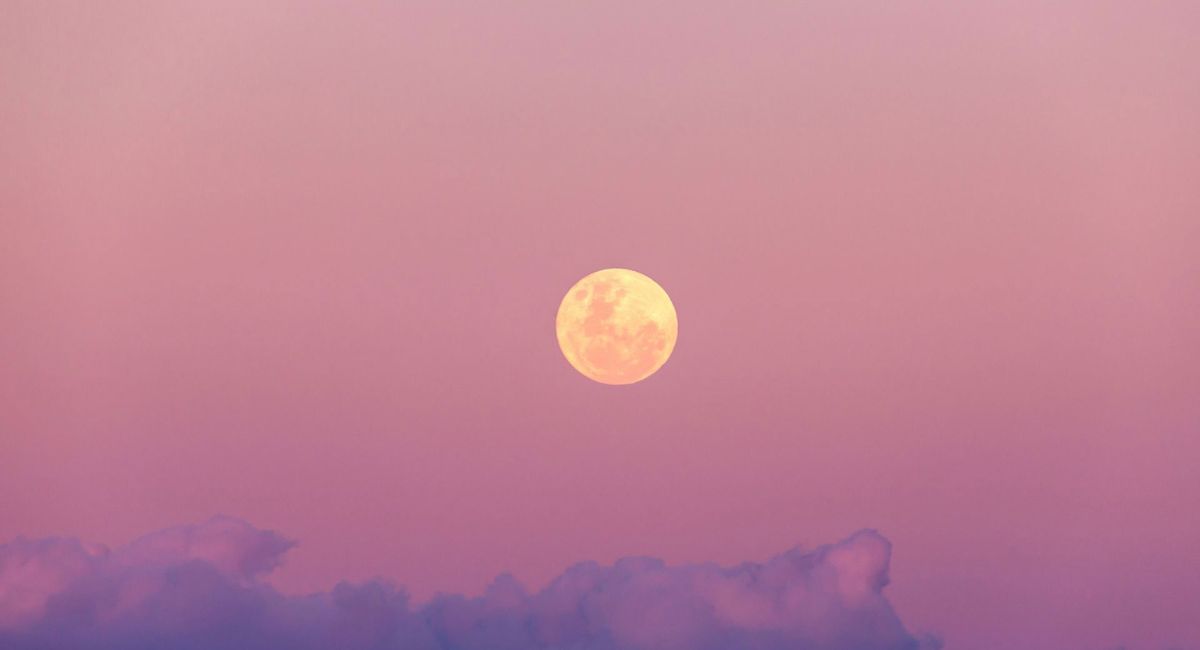
The Pink Moon appears on April 1, 2026. Despite its name, the Moon will not look pink. The name comes from early spring wildflowers, especially moss pink flowers.
This moon represents renewal, growth, and fresh energy. Nature begins to bloom, and warmer days return.
The Pink Moon is often linked with new opportunities and positive change.
May Full Moon 2026: Flower Moon (Micromoon)
The Flower Moon rises on May 1, 2026.
This Full Moon is a Micromoon, meaning the Moon is farther away from Earth than usual. It will appear slightly smaller and dimmer in the sky.
The Flower Moon symbolizes abundance, creativity, and joy as spring reaches its peak.
May 31 Full Moon 2026: Blue Moon (Micromoon)
The Blue Moon occurs on May 31, 2026. A Blue Moon is the second Full Moon in a single calendar month, which is why 2026 has 13 Full Moons.
This Blue Moon is also a Micromoon, making it smaller in appearance.
The phrase “once in a blue moon” reflects rarity, and this moon is often associated with unexpected opportunities and important life changes.
June Full Moon 2026: Strawberry Moon (Micromoon)
The Strawberry Moon appears on June 29, 2026. The name comes from Native American tribes who used it to mark strawberry harvesting season.
This is the third Micromoon of the year.
The Strawberry Moon represents sweetness, reward, and enjoying the results of hard work.
July Full Moon 2026: Buck Moon
The Buck Moon rises on July 29, 2026. It is named after male deer growing new antlers during this time.
This Full Moon reflects strength, growth, and confidence. Summer energy is at its highest, and nature is fully alive.
The Buck Moon is ideal for focusing on personal power and progress.
August Full Moon 2026: Sturgeon Moon (Partial Eclipse)
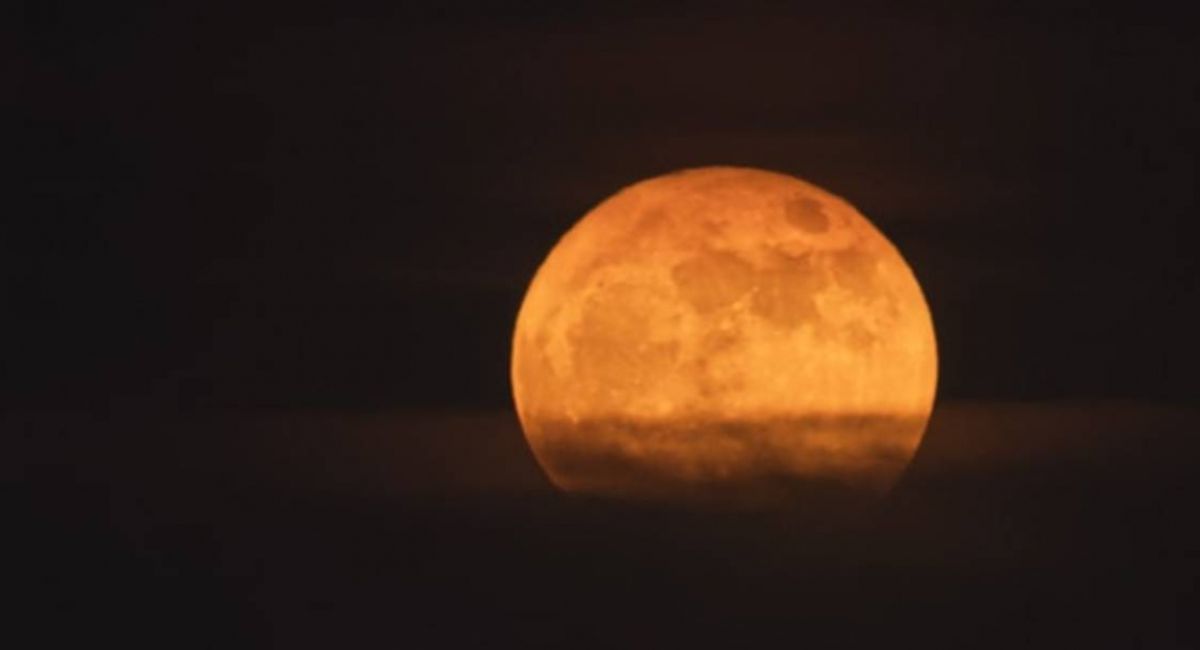
The Sturgeon Moon occurs on August 28, 2026. The name comes from sturgeon fish, which were commonly caught during this season.
This Full Moon features a Partial Lunar Eclipse, where part of the Moon will darken as it passes through Earth’s shadow.
This moon symbolizes endurance, wisdom, and preparation for seasonal change.
September Full Moon 2026: Harvest Moon
The Harvest Moon appears on September 26, 2026, closest to the autumn equinox.
This moon rises shortly after sunset for several nights, helping farmers gather crops in the past.
It represents gratitude, success, and completion of long-term efforts.
October Full Moon 2026: Hunter’s Moon
The Hunter’s Moon rises on October 26, 2026. Historically, it provided light for hunters preparing food for winter.
This moon symbolizes focus, strategy, and readiness.
It encourages careful planning and decisive action.
November Full Moon 2026: Beaver Moon (Supermoon)
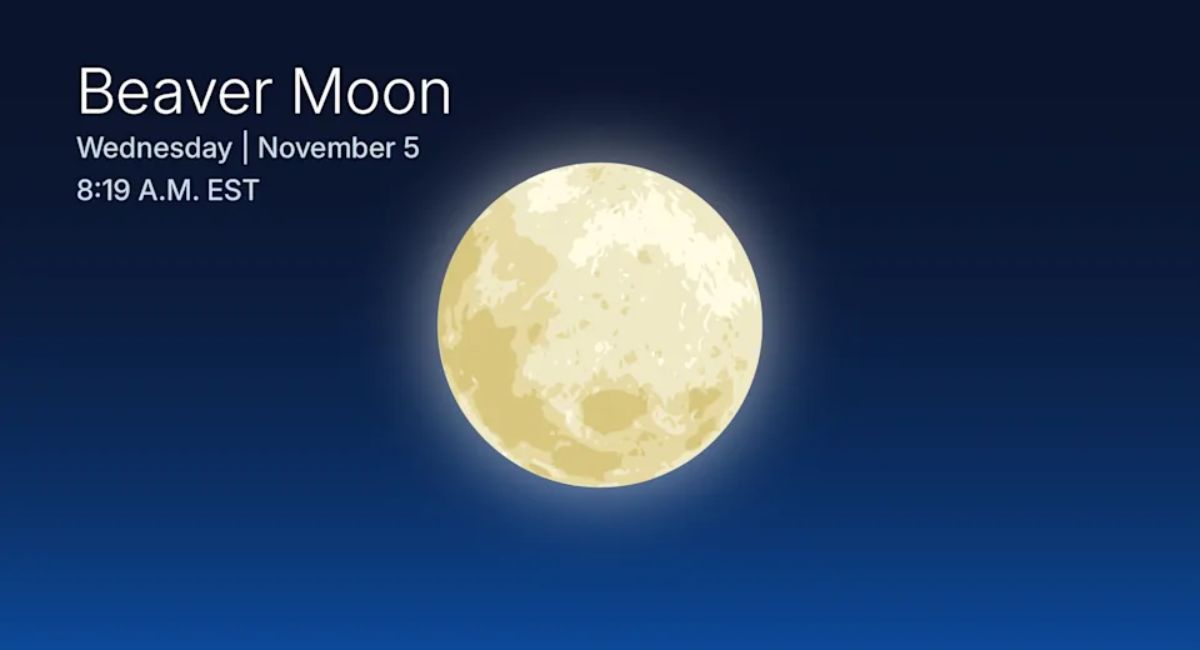
The Beaver Moon appears on November 24, 2026. It is named after beavers preparing dams before winter.
This Full Moon is a Supermoon, appearing brighter and closer.
It represents preparation, hard work, and protection.
December Full Moon 2026: Cold Moon (Supermoon)
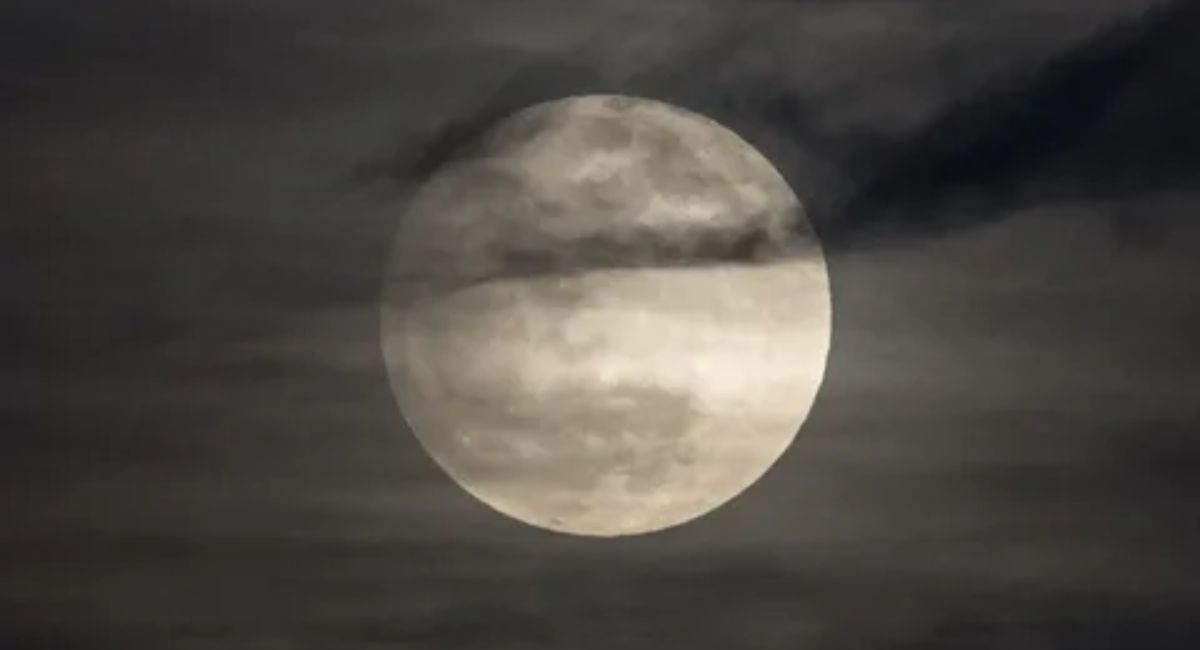
The Cold Moon occurs on December 23, 2026 and ends the year.
It is the final Supermoon of 2026, shining strongly during long winter nights.
This moon symbolizes rest, reflection, and conserving energy.
The Eight Moon Phases Explained
The Moon completes a full cycle every 29.5 days, known as a lunar month.
These phases are caused by how sunlight hits the Moon as it orbits Earth.
Special Lunar Events in 2026
The Blue Moon on May 31 adds rarity to the year.
The Total Lunar Eclipse on March 3 will create a stunning Blood Moon.
The Partial Lunar Eclipse on August 28 will darken part of the Moon.
These events make 2026 a memorable year for sky watchers.
FAQs: Full Moon Calendar 2026
How many Full Moons are in 2026?
There are 13 Full Moons in 2026.
When is the Blue Moon in 2026?
The Blue Moon occurs on May 31, 2026.
How many Supermoons are in 2026?
There are three Supermoons in January, November, and December.
Will there be lunar eclipses in 2026?
Yes, one total lunar eclipse in March and one partial eclipse in August.
What is a Micromoon?
A Micromoon happens when the Moon is farthest from Earth and appears smaller.
Conclusion: Why Follow the 2026 Moon Calendar
The full moon calendar 2026 offers more than dates. It connects science, nature, and ancient tradition. With rare events like a Blue Moon, Supermoons, Micromoons, and eclipses, 2026 is truly special.
By following the Moon’s cycle, you can better understand natural rhythms and enjoy the beauty of the night sky all year long.