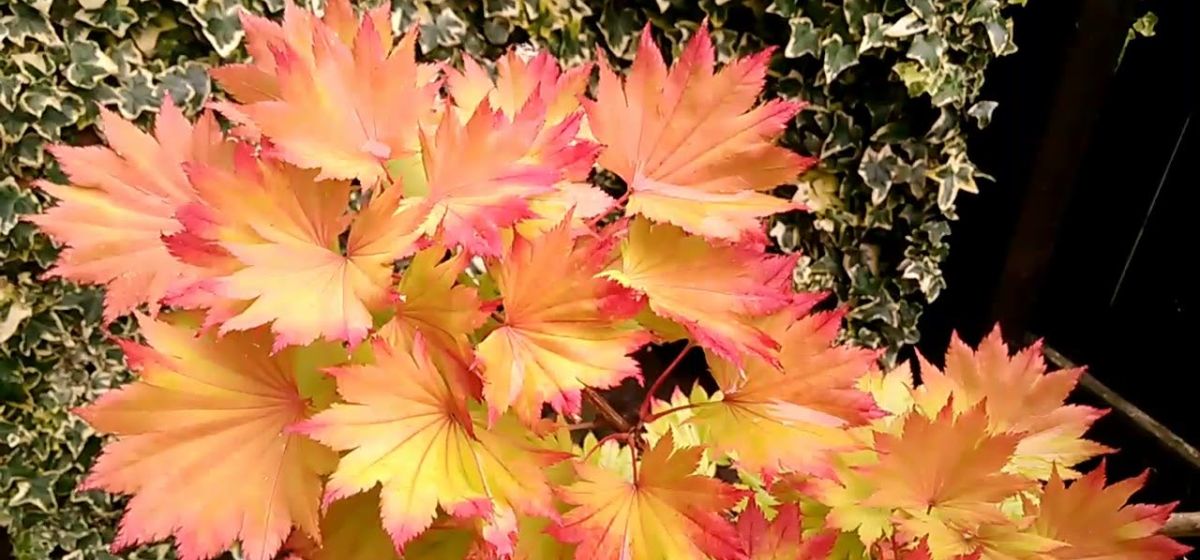
Autumn Moon Japanese Maple is one of the most eye catching ornamental trees you can grow in a garden. Its glowing leaves, soft texture, and gentle shape make it feel almost magical, especially when sunlight filters through the foliage.
Many people first notice this tree because of its color. The leaves seem to change personality with the seasons. In spring and summer, they show warm tones of gold, orange, and soft green. In autumn, the display becomes even richer, creating a layered mix of color that looks like a painted sky at sunset.
If you have ever been curious about how to grow, care for, and understand the Autumn Moon Japanese Maple, this guide explains everything in simple language. You do not need to be a gardening expert. Whether you are a student learning about plants, a teacher explaining trees, or a homeowner improving your yard, you will find this easy to follow.
The Million Dollar Question Mark 8:22 30
What makes the Autumn Moon Japanese Maple so special compared to other maples is its unique leaf color and structure. This variety belongs to Acer shirasawanum, often called a full moon maple. The leaves are rounder and fuller than many other Japanese maples, giving the tree a soft, layered appearance.
The name Autumn Moon Japanese Maple comes from the warm golden tones that look like moonlight during fall. The leaves can show shades of orange, peach, lime, and yellow at the same time. This color blend is why many gardeners consider it a feature tree rather than just background greenery.
Key features at a glance
Small to medium size ornamental tree
Rounded leaves with many fine lobes
Slow growing and easy to manage
Brilliant seasonal color changes
Excellent for small gardens and containers
Because of its manageable size, it fits well in modern landscapes. It does not overpower a space. Instead, it becomes a living sculpture that changes throughout the year.
Leadership Updates and New Mission Appointments

Understanding the growth pattern of the Autumn Moon Japanese Maple helps you choose the right spot. This tree usually grows to about 8 to 12 feet tall and nearly as wide. Its shape is naturally rounded, which means you do not need heavy pruning to make it look good.
It grows slowly. This is actually an advantage. Slow growth means the branches develop strong structure and the plant keeps its elegant form. You also spend less time trimming and correcting shape.
Sunlight plays a big role in leaf color. Morning sun with afternoon shade is ideal. Too much direct hot sun can scorch the leaves, especially in warmer regions. Light shade protects the delicate foliage while still allowing the golden tones to shine.
Soil is just as important. The Autumn Moon Japanese Maple prefers well drained soil that stays slightly moist but never soggy. Think of soil like a sponge. It should hold water but not stay soaked. Adding compost improves texture and gives roots the nutrients they need.
Good joins IBSA as Collegiate Ministry Catalyst Mission

Planting the Autumn Moon Japanese Maple correctly sets it up for long term success. Choose a location with filtered sunlight, protection from strong winds, and enough room for the tree to spread naturally.
Step by step planting basics
Dig a hole twice as wide as the root ball but not deeper.
Loosen the surrounding soil so roots can expand easily.
Place the tree so the top of the root ball sits level with the ground.
Backfill with the original soil mixed with compost.
Water deeply after planting.
Mulch around the base helps keep moisture in the soil and protects roots from temperature swings. Keep mulch a few inches away from the trunk to prevent rot.
Watering is especially important in the first two years. The roots are still establishing. Check the soil regularly. If the top layer feels dry, it is time to water. Deep watering is better than frequent shallow watering.
Messenger, childcare registration open for SBC26
Seasonal care keeps the Autumn Moon Japanese Maple healthy and vibrant. Each season brings a different task, but none are complicated.
Spring is the time for fresh growth. You may see new leaves emerge in bright golden tones. This is also a good moment to check for any winter damage and remove small dead twigs.
Summer requires attention to watering and sun exposure. In very hot climates, providing extra shade during peak afternoon heat can prevent leaf burn. A simple shade cloth or planting near taller trees can help.
Autumn is when the tree shows its most dramatic colors. This is also a good time to apply a light layer of compost to refresh soil nutrients. Avoid heavy fertilizing late in the season.
Winter care mainly involves protection. Young trees may benefit from a wind barrier. Avoid heavy pruning in winter. Light shaping in late winter or early spring is enough.
Practical care tips you can use right away
Use mulch every year to protect roots
Water deeply but not too often
Avoid strong midday sun in hot regions
Prune lightly to maintain natural shape
Check leaves for signs of stress like browning edges
The Autumn Moon Japanese Maple also works beautifully in design. It can be a focal point near an entrance, part of a small courtyard garden, or a highlight in a container on a patio. Because of its color, it pairs well with dark green shrubs and simple stone elements.
Some people choose symbolic garden elements to complement this tree, such as decorative stones or ornaments that reflect light. A moon gem necklace inspired garden theme, for example, uses reflective surfaces and soft colors to echo the glow of the leaves. This design idea creates a calm and dreamy atmosphere.
In modern digital culture, words like moona asmr leaked appear in searches, but in gardening, the focus stays on nature, growth, and balance. The Autumn Moon Japanese Maple reminds us to slow down and observe seasonal change, something that contrasts with fast moving online trends.
If you are involved in community events, seasonal decorations, or donation themes such as lottie moon christmas offering 2026, incorporating natural elements like ornamental trees can bring warmth and visual meaning to spaces. Plants often create a welcoming environment where people feel more relaxed and connected.
Common problems and simple solutions

Leaf scorch happens when leaves get too much direct sun or not enough water. Move potted plants to a shadier spot and improve watering habits.
Yellowing leaves may indicate poor drainage. Check that water is not pooling around roots.
Slow growth can be normal, but if the tree looks weak, add compost and ensure it receives gentle light.
Pests are usually minimal. Occasionally, aphids may appear. A gentle spray of water or insecticidal soap usually solves the issue.
Why this tree is great for learning
The Autumn Moon Japanese Maple is an excellent example for teaching plant biology. Students can observe leaf shape, seasonal color change, and how sunlight affects plant pigments. It also demonstrates how environment influences growth.
For educators, this tree becomes a living classroom tool. Concepts like photosynthesis, dormancy, and soil health are easier to understand when learners can see real changes over time.
For homeowners, the biggest benefit is emotional. Watching the tree shift colors through the year builds a sense of connection with nature. It encourages observation and patience.
Actionable takeaways
Choose a partly shaded location
Improve soil with compost before planting
Use mulch to protect roots
Water deeply during dry periods
Enjoy the seasonal color changes as part of the experience
Conclusion
The Autumn Moon Japanese Maple is more than just a decorative plant. It is a living lesson in color, light, and seasonal rhythm. Its glowing leaves, manageable size, and gentle form make it perfect for small gardens, patios, and learning spaces.
With the right location, simple care, and a bit of patience, this tree rewards you year after year. It invites you to slow down, observe change, and appreciate the quiet beauty of nature. That is what makes the Autumn Moon Japanese Maple truly unforgettable.