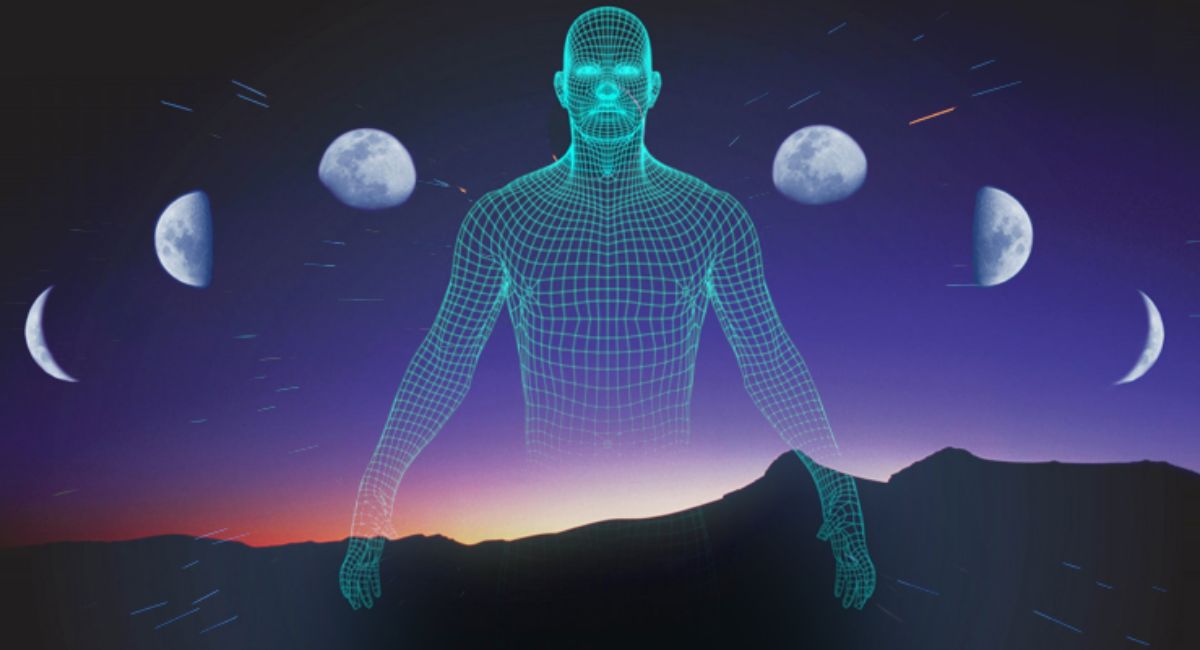
Moon Exposure and Human Mood Research has gained attention for many years. People across cultures believe the moon affects how humans feel and behave. Ancient stories, medical theories, and modern studies all talk about this connection. Some people feel calm during a full moon. Others feel restless or emotional. This topic blends science, psychology, and tradition.
Moon Exposure and Human Mood Research focuses on how moonlight, lunar cycles, and human biology may connect. The moon controls tides. It also influences light and darkness at night. Humans respond strongly to light. Our sleep cycle, hormones, and emotions depend on light exposure. This makes the moon an interesting subject for research.
Scientists continue to study how moon phases affect mood, sleep, and mental balance. Results remain mixed. Some studies show effects. Others find no strong link. Still, interest remains high. People want to know if moon exposure truly changes emotions.
This article explores Moon Exposure and Human Mood Research in detail. It explains theories, scientific findings, cultural beliefs, and modern opinions. The language stays simple. Sentences remain short. The goal is clarity and understanding.
Understanding Moon Exposure in Human Life
Moon exposure refers to how humans experience moonlight and lunar cycles. This exposure happens naturally. The moon reflects sunlight. It changes brightness across phases. Humans have lived under this cycle for thousands of years.
Moon Exposure and Human Mood Research often starts with how humans respond to light. Light affects the brain. Melatonin helps regulate sleep. Less darkness can reduce melatonin levels. This may affect mood.
In early human history, moonlight guided night activities. People hunted, traveled, and gathered under the moon. The brain adapted to these patterns. Some researchers believe these ancient responses still exist.
Moon exposure also changes night brightness. Full moons create brighter nights. New moons create darker nights. These changes may affect sleep quality. Poor sleep can affect mood, focus, and emotional balance.
Moon Exposure and Human Mood Research also studies how awareness plays a role. When people expect mood changes, they may feel them more strongly. This mental effect matters in research. Scientists must separate belief from biology.
This topic continues to attract attention. It connects nature with mental health. It also connects past beliefs with modern science.
Moon Phases and Emotional Patterns
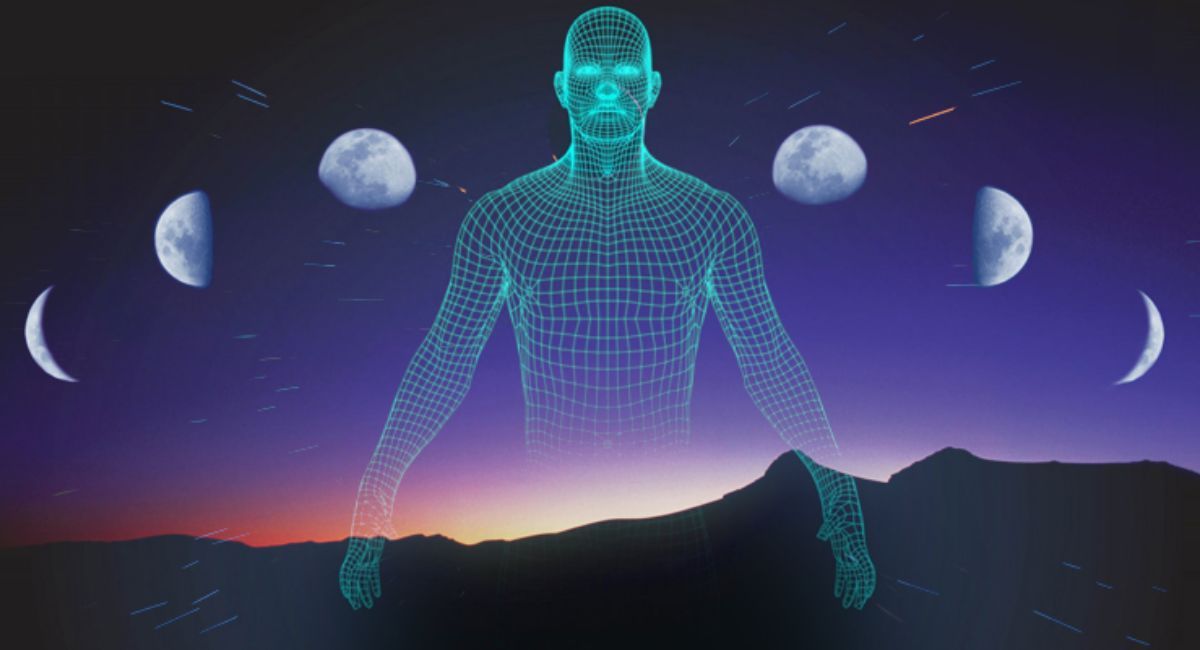
Moon phases divide the lunar cycle into clear stages. These include new moon, waxing moon, full moon, and waning moon. Each phase changes the amount of light seen at night.
Moon Exposure and Human Mood Research often focuses on the full moon. Many people report stronger emotions during this phase. Some feel energetic. Others feel anxious or irritable. Hospitals and police departments once believed full moons increased activity.
Research tries to test these claims. Some studies show slight mood shifts during full moons. Other studies find no clear pattern. Differences may depend on age, lifestyle, and sensitivity to light.
The new moon brings darker nights. Some people report calm feelings during this phase. Darkness can support better sleep. Better sleep improves mood and focus.
Waxing and waning phases fall between extremes. Their effects appear mild. Research suggests gradual changes matter less than sudden light shifts.
Moon Exposure and Human Mood Research shows emotional patterns remain complex. No single phase affects everyone the same way. Biology, belief, and environment all interact.
Understanding these patterns helps researchers design better studies. It also helps people notice personal responses without fear or confusion.
Scientific Studies on Moon Exposure and Mood
Modern science tests Moon Exposure and Human Mood Research using controlled methods. Researchers compare mood data across lunar phases. They track sleep, hormone levels, and emotional states.
Some studies show reduced sleep quality during full moons. Participants take longer to fall asleep. They also sleep fewer hours. Poor sleep can cause mood changes. This creates an indirect link between moon exposure and mood.
Other studies find no strong effects. They suggest daily stress, screen light, and lifestyle play bigger roles. Artificial light may overpower moonlight today. This weakens lunar influence.
Hormone studies examine melatonin and cortisol levels. Some research shows lower melatonin during full moons. Lower melatonin may increase alertness. This can affect mood.
Moon Exposure and Human Mood Research remains debated. Results vary across countries and populations. Cultural belief may influence how people report feelings.
Science continues to improve tools and methods. Larger samples and long-term studies help reduce bias. The topic remains open for exploration.
Cultural Beliefs and Historical Views
Cultural beliefs strongly shape Moon Exposure and Human Mood Research. Ancient civilizations linked the moon to emotions and behavior. Many languages connect madness with the moon.
Farmers used lunar calendars for planting. Healers used moon phases for treatment. These practices passed through generations.
In others, it symbolized danger or instability. Stories and myths reinforced these ideas.
Moon Exposure and Human Mood Research studies how belief shapes experience. When people expect mood changes, they may notice them more. This effect matters in psychology.
Historical records show hospitals prepared for busy nights during full moons. Some still believe this today. Modern data does not fully support this belief.
Cultural views remain important. They influence how people interpret feelings. Understanding culture helps researchers separate belief from biology.
Sleep, Light, and Emotional Balance
Sleep plays a major role in mood. Moon Exposure and Human Mood Research often focuses on sleep disruption. Light exposure affects sleep quality.
Moonlight increases brightness at night. Sensitive sleepers may notice this change. Even small light changes can delay sleep.
Less sleep affects emotional balance. People feel irritable, anxious, or low. This creates a possible link between moon exposure and mood.
Modern life adds artificial light. Screens, streetlights, and indoor lighting reduce darkness. This may reduce moon influence or mix with it.
Moon Exposure and Human Mood Research suggests awareness matters. People who notice moon phases may respond more strongly.
Improving sleep hygiene helps reduce mood swings. Dark rooms, regular sleep times, and reduced screen use matter more than moonlight alone.
Understanding sleep helps explain why some people feel mood changes during certain lunar phases.
Psychological Factors and Expectation Effects
The human mind shapes emotional experience. Moon Exposure and Human Mood Research includes psychological effects.
Expectation plays a strong role. If people believe the moon affects mood, they may interpret feelings differently. This does not mean feelings are fake. It means belief shapes perception.
This effect is known as expectancy bias. It appears in many studies. Researchers must control for it.
Media and stories reinforce lunar myths. Movies and books often show full moons linked to intense emotions. This strengthens belief.
Moon Exposure and Human Mood Research shows how psychology and biology interact. Mood changes may result from both factors together.
Understanding this helps people reflect on feelings without fear. Awareness reduces anxiety linked to lunar myths.
Modern Research Methods and Challenges
Studying Moon Exposure and Human Mood Research presents challenges. Many variables affect mood. Stress, diet, sleep, and environment matter.
Researchers use mood surveys, sleep trackers, and hormone tests. Long-term studies offer better results.
Controlling artificial light remains difficult. Urban areas reduce moonlight effects. Rural areas show stronger exposure.
Sample size also matters. Small studies may show effects by chance. Larger studies reduce error.
Moon Exposure and Human Mood Research continues to evolve. Technology improves data accuracy. Wearable devices help track sleep and mood patterns.
Future research may provide clearer answers. For now, results remain mixed.
Summary of Findings from Research
The table below summarizes common findings in Moon Exposure and Human Mood Research.
| Research Area | Observed Effect | Consistency |
| Sleep quality | Slight reduction during full moon | Mixed |
| Melatonin levels | Lower in some studies | Limited |
| Mood changes | Mild emotional shifts | Inconsistent |
| Behavior changes | No strong evidence | Weak |
| Cultural influence | Strong belief effect | High |
This table shows no clear conclusion. Effects appear small and vary widely.
Should People Worry About Moon Exposure?
Moon Exposure and Human Mood Research does not suggest danger. The moon does not control emotions. Effects remain mild and indirect.
People should focus on sleep, stress management, and healthy routines. These factors affect mood more strongly.
If someone notices mood changes during lunar phases, awareness helps. Tracking sleep and emotions may reveal patterns.
Moon exposure remains a natural part of life. Understanding it reduces fear and confusion.
FAQs About Moon Exposure and Human Mood Research
Does moon exposure directly change human mood?
Moon Exposure and Human Mood Research shows no strong direct effect. Mood changes appear indirect through sleep and belief.
Is Moon Exposure and Human Mood Research proven?
Research exists, but results remain mixed. No clear proof confirms strong effects.
Can moonlight affect sleep quality?
Yes, some studies show reduced sleep quality during brighter lunar phases.
Should I change habits based on moon phases?
No major changes are needed. Focus on good sleep and stress care.