The night of february 2026 serves as a grand threshold in the lunar cycle. As we move past the celebrations of the New Year, the sky prepares for its first major celestial event. If you are tracking the 2 february 2026 moon calendar, you are witnessing the Moon at nearly its full potential.
On this specific night, the Moon is in its Waxing Gibbous phase, illuminated at an incredible 98.9 percent. It is the final step before it reaches the peak of the Full Wolf Moon on January 3. This period is filled with high energy and bright nights that can transform a simple evening walk into a luminous experience.
For many sky watchers, the 2 february 2026 moon calendar is more than just a date. It represents the Supermoon Eve, where the Moon is physically closer to Earth than usual. This proximity makes the lunar surface appear sharper, larger, and significantly more brilliant than standard moonlit nights.
In this comprehensive guide, we will dive into the science of the January phases, the cultural significance of the Wolf Moon, and the intriguing concept of the Moon diet. Whether you are interested in the 3 janjanuary 2026 moon calendar or the 4 february 2026 moon calendar, this article provides the astronomical context you need.
What is a Moon diet?
The Moon diet, often referred to as the Lunar Diet or even the Werewolf Diet, is a wellness practice based on the idea that the Moon gravitational pull affects the water in our bodies just as it affects the tides of the ocean. Since the human body is composed of about 60 percent water, proponents believe lunar phases can influence weight loss and detoxification.
The core principle of the Moon diet involves fasting or changing eating habits during specific lunar transitions. The most popular version is a 24-hour fast during the New Moon or the Full Moon. During these times, the atmospheric pressure changes, and many believe this is the ideal window to flush toxins and excess water weight from the system.
Followers of this method suggest that during the Full Moon peak found on the 3 february 2026 moon calendar, the body is most efficient at letting go. By consuming only water and fresh fruit or vegetable juices for 24 hours, people claim to lose a significant amount of water weight very quickly.
It is important to note that the Moon diet is considered a fad diet by many in the medical community. While the gravitational pull of the moon is a scientific fact, its direct impact on human cellular metabolism is still a subject of much debate. Always consult with a healthcare professional before starting any restrictive fasting routine.
What is a Moon diet?
While we touched on the basics above, there are actually two distinct versions of the Moon diet that enthusiasts follow. Understanding the difference can help you plan your schedule according to the 2 janjanuary 2026 moon calendar.
The first version is the Basic Moon Diet. This is a simple 24-hour liquid fast that takes place exactly on the day of the Full Moon or the New Moon. For January 2026, this would mean starting your fast on the 3 february 2026 moon calendar or the 18 janjanuary 2026 moon calendar. During this time, solid foods are avoided entirely to allow the body to rest.
The second version is the Extended Moon Diet. This plan follows the entire lunar cycle. It begins with the 24-hour fast on the Full Moon but continues with specific guidelines for the waning and waxing phases. For instance, during the waning phase when the moon is shrinking, the focus is on detoxification. During the waxing phase when the moon is growing, the focus is on strengthening the body and controlling cravings.
People use the february 2026moon calendar to prepare for these cycles. Since the 2nd is the day before the Full Moon, it is often used as a prep day where individuals eat lighter meals and increase their water intake to prepare for the fast on the 3rd.
Waxing Moon in february 2026
The term Waxing simply means the Moon is growing in illumination as seen from Earth. In the 2 february 2026 moon calendar, we find ourselves in the Waxing Gibbous phase. This is the period between the First Quarter and the Full Moon.
During the waxing phase, the Moon rises in the afternoon and stays visible for much of the night. On January 2, the Moon will be incredibly bright, nearly matching the intensity of the Full Moon. For students of astronomy, this is the best time to observe the terminator line, though on the 2nd, that line is very close to the edge of the lunar disk.
Psychologically and traditionally, the waxing moon is associated with growth, manifestation, and building momentum. Many cultures use this time to start new projects or take action on goals set during the New Moon. Since this happens at the start of a new year, the January waxing moon is often seen as a powerful catalyst for New Year resolutions.
If you are looking at the 2 february 2026 moon calendar for photography purposes, the waxing gibbous phase provides excellent lighting for capturing the Moon near the horizon. Because it is 98.9 percent lit, it provides enough light to illuminate the foreground landscape while still retaining visible texture in the lunar craters.
Moon Month Calendar
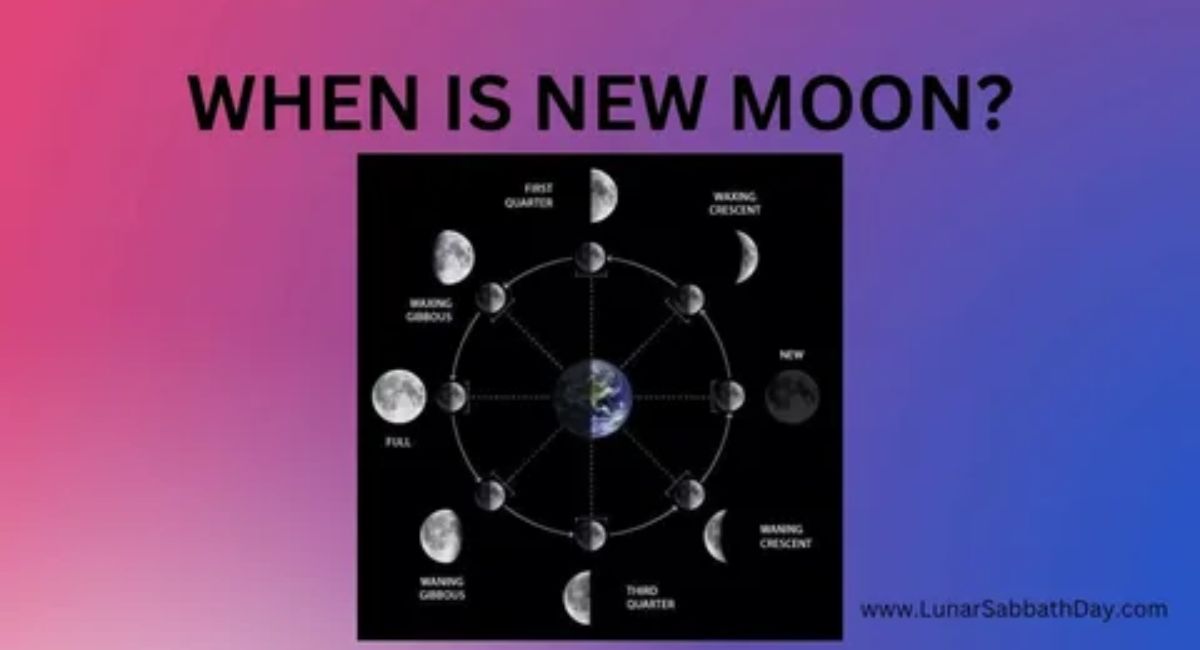
To get a full view of the month, we must look at how the 2 janjanuary 2026 moon calendar fits into the overall lunation. A lunar month is approximately 29.5 days long, and January 2026 provides a textbook example of this cycle.
The month begins with the Moon already high and bright. On January 1, it is a Waxing Gibbous. By the 2nd, it has grown even more. The climax of this early month cycle happens on the 3 janjanuary 2026 moon calendar when the Full Wolf Moon reaches 100 percent illumination.
Following the Full Moon, we move into the 4 february 2026 moon calendar, which marks the start of the Waning phase. From here, the light begins to recede. The Third Quarter Moon arrives on January 10, and the New Moon occurs on January 18. The cycle begins again with a Waxing Crescent on the 20th, leading back to a First Quarter Moon on february 2026
This calendar is essential for anyone who enjoys night sky photography or stargazing. When the Moon is as bright as it is on the 2nd or 3rd, it washes out the stars. If you want to see the Milky Way or faint constellations, you should wait for the New Moon period around the 18th of the month.
Waning Moon in february 2026
Once the 3 february 2026 moon calendar passes, we enter the waning period. Waning means the illuminated portion of the Moon is shrinking. This begins on the 4 february 2026 moon calendar.
During the waning phase, the Moon rises later and later each night. Eventually, it becomes a morning object, visible in the pre-dawn sky. This phase is often associated with letting go or completion. In the context of the Moon diet, the waning phase is when the body is said to have the easiest time releasing weight and fluids.
The Waning Gibbous phase (4 february 2026 to february 2026 10) is still quite bright but gradually loses its circular shape. By the time we reach the Waning Crescent phase (January 11 to January 17), the Moon becomes a beautiful silver sliver in the early morning.
For sky watchers, the waning moon provides a different perspective. Because the sun light is hitting the Moon from the opposite side compared to the waxing phase, different craters and mountain ranges are highlighted. This makes the 4 february 2026moon calendar just as interesting for telescope owners as the previous days.
Full Moon Calendar for 2026
To help you plan your lunar year beyond the 2 janjanuary 2026 moon calendar, here is the official list of full moons for the year. This calendar is helpful for those tracking supermoons and seasonal shifts.
| Month | Date | Moon Name | Special Feature |
| January | Jan 3 | Wolf Moon | Supermoon |
| February | Feb 1 | Snow Moon | High Winter Moon |
| March | Mar 3 | Worm Moon | Total Lunar Eclipse |
| April | Apr 1 | Pink Moon | Spring Gateway |
| May | May 1 | Flower Moon | Early May Peak |
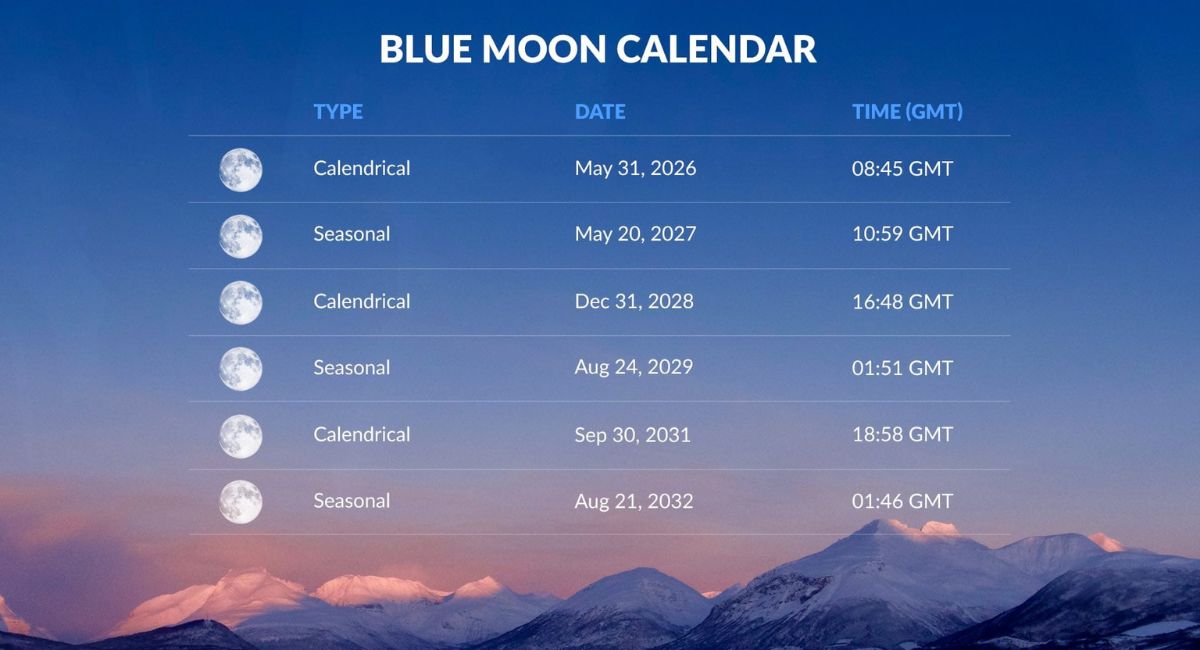
| May | May 31 | Blue Moon | Second Full Moon |
| June | Jun 29 | Strawberry Moon | Micromoon |
| July | Jul 29 | Buck Moon | Summer Peak |
| August | Aug 28 | Sturgeon Moon | Partial Eclipse |
| September | Sep 26 | Harvest Moon | Near Equinox |
| October | Oct 26 | Hunter’s Moon | Autumn Peak |
| November | Nov 24 | Beaver Moon | Supermoon |
| December | Dec 23 | Cold Moon | Supermoon |
Practical Takeaways for Your Lunar Journey
Using a february 2026 moon calendar is simple once you have the right mindset.First, always check the moonrise times. The Moon looks its largest when it is near the horizon. Second, dress for the weather. January nights are cold, and you will enjoy the view much more if you are wearing layers. Since the best views often happen late at night or early in the morning, comfort is key.
Third, use binoculars if you have them. You dont need an expensive telescope to see the Seas of the Moon or the bright rays of the Tycho crater.
Conclusion
The 2 february 2026 moon calendar is your roadmap to a spectacular start to the year. From the massive Wolf Supermoon on the 3rd to the inky dark skies of the New Moon on the 18th, there is something for everyone to enjoy.
By understanding these phases, you connect with a cycle that has guided humanity for thousands of years. Whether you are a student learning the ropes of astronomy or a busy worker looking for a moment of peace, the Moon is always there, changing yet constant.
Take a moment this January to step outside, look up, and appreciate the silent dance of our nearest celestial neighbor. It is a free show that never fails to impress.