Low illumination is a common term used in daily life, science, and technology. It describes a condition where light levels are very low. Many people experience low illumination without realizing it. It happens at night, during cloudy weather, in dark rooms, or in places with weak lighting. Low illumination affects how we see, feel, and work. It also plays an important role in photography, astronomy, health, and safety.
This article explains low illumination in very simple words. You will learn its meaning, causes, effects, and uses. You will also understand how low illumination impacts humans, animals, and modern devices. The goal is to make this topic easy and interesting for everyone.
What Is Low Illumination
Low illumination means a low amount of light in an area. Illumination refers to how much light falls on a surface. When the light level drops below normal, we call it low illumination. This happens when sunlight is weak or artificial lights are dim. Our eyes need enough light to see clearly. In low illumination, vision becomes difficult and details look unclear.
Low illumination is common at night and during early morning hours. It also appears indoors when lights are off or weak. In science, low illumination is measured using a unit called lux. A bright sunny day has very high illumination. A moonlit night has very low illumination.
Low illumination does not always mean darkness. It means light is present but not strong enough. Many activities still happen in low illumination. Examples include driving at night, watching stars, or using night cameras. Understanding low illumination helps us adjust our environment and protect our eyes.
Causes of Low Illumination
Low illumination happens due to many natural and artificial reasons. One major cause is the absence of sunlight. After sunset, the Earth receives very little natural light. Clouds, fog, and rain also reduce light levels. Thick clouds block sunlight and create low illumination even during the day.
Artificial lighting also affects illumination levels. Weak bulbs, damaged lights, or power failures cause low illumination indoors and outdoors. Poor lighting design in buildings can create dark spaces. Shadows from tall buildings or trees can also reduce illumination.
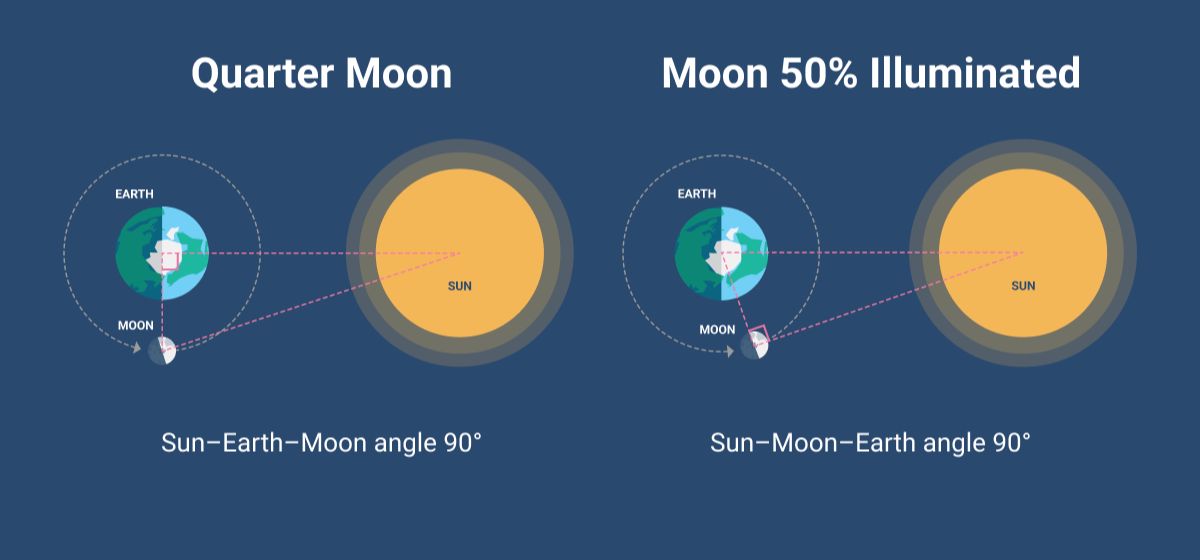
In astronomy, low illumination occurs during certain moon phases. When the moon shows a thin shape, it reflects less sunlight. This creates darker nights. Seasonal changes also play a role. Winter days are shorter, so low illumination lasts longer.
Understanding the causes of low illumination helps us improve lighting conditions and avoid risks related to poor visibility.
Low Illumination and Human Vision
Low illumination has a strong effect on human vision. Our eyes need light to see objects clearly. In low illumination, the eyes struggle to detect details. Colors appear dull, and objects may look blurry. This happens because cone cells in the eyes work best in bright light. In low illumination, rod cells become active, but they cannot see colors well.
Low illumination can cause eye strain and fatigue. People may feel discomfort when reading or working in dim light. Long exposure to low illumination can lead to headaches. It also increases the risk of accidents because obstacles are harder to see.
The human eye can adapt to low illumination over time. This process is called dark adaptation. During this time, vision slowly improves. However, sudden changes from bright light to low illumination can be uncomfortable.
Proper lighting is important to protect eye health and improve comfort in low illumination environments.
Effects of Low Illumination on Mood and Health
Low illumination does not only affect vision. It also affects mood and mental health. Light plays an important role in controlling sleep and emotions. In low illumination, the body produces more melatonin. This hormone makes people feel sleepy and relaxed.
Long periods of low illumination can cause low energy levels. People may feel tired or less motivated. In some cases, low illumination can contribute to sadness during winter months. Low illumination can also affect sleep patterns. Dim light in the evening helps the body prepare for sleep. However, too much low illumination during the day can disturb the body clock. This may cause sleep problems.
Balanced lighting is important for both physical and mental well-being. Proper light exposure improves mood, focus, and overall health.
Low Illumination in Daily Life
Low illumination is part of everyday life. It appears in homes, streets, workplaces, and public spaces. At home, low illumination is used to create a calm environment. Soft lighting in bedrooms helps relaxation. In restaurants, low illumination creates a cozy atmosphere.
On roads, low illumination can be dangerous. Poor street lighting reduces visibility for drivers and pedestrians. This increases the risk of accidents. That is why proper road lighting is important.
In workplaces, low illumination affects productivity. Employees may feel tired or make mistakes. Offices need balanced lighting to avoid eye strain. Schools also require proper illumination for students.
Understanding low illumination helps people design safer and more comfortable spaces in daily life.
Low Illumination in Photography and Cameras
Low illumination is very important in photography. It creates mood and depth in images. Photographers often work in low illumination to capture night scenes. However, low illumination makes photography challenging. Cameras need more exposure to capture enough light.
In low illumination, photographers adjust camera settings. They increase ISO, open the aperture, or slow the shutter speed. These changes help capture light but may add noise or blur. Modern cameras handle low illumination better than older ones.
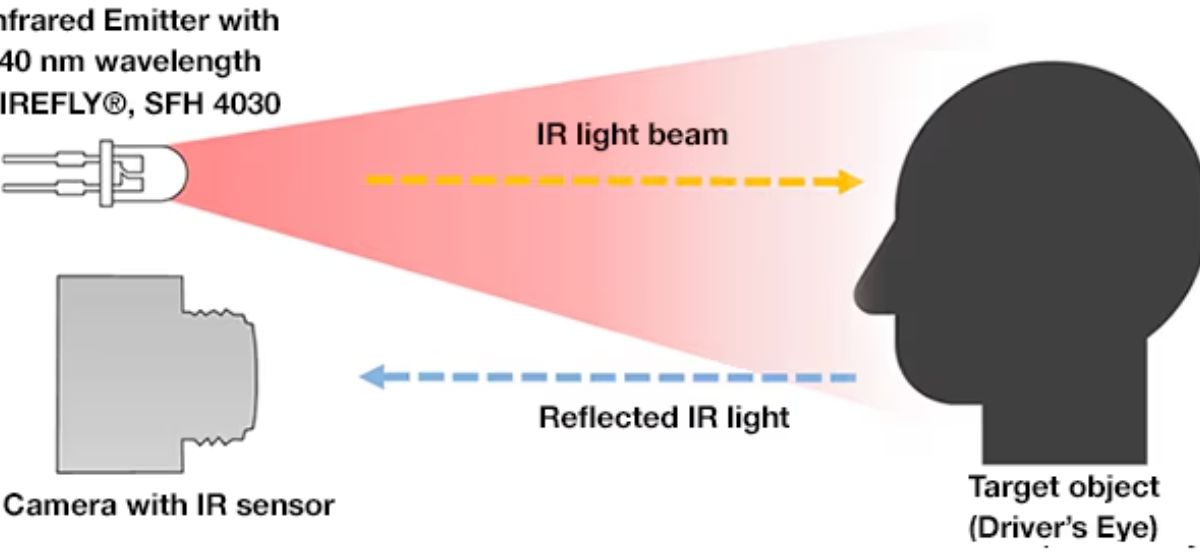
Security cameras also work in low illumination. Night vision cameras use infrared light to see in darkness. Mobile phones now have special night modes to improve photos in low illumination.
Low illumination photography requires skill and understanding of light. When done well, it creates stunning and emotional images.
Low Illumination in Astronomy
Low illumination plays a major role in astronomy. Astronomers prefer low illumination skies to observe stars and planets. Bright city lights create light pollution. This reduces visibility of celestial objects.
Low illumination nights allow clearer views of the sky. New moon phases provide the darkest skies. Astronomers plan observations during these times. Telescopes perform better under low illumination conditions.
Low illumination also helps in studying faint objects. Galaxies and nebulae emit very little light. Dark skies make them visible. Many observatories are built in remote areas to avoid artificial light.
Low illumination is essential for space research. It allows scientists to explore the universe in greater detail.
Low Illumination and Technology
Modern technology adapts well to low illumination. Many devices are designed to work in dim light. Smartphones adjust screen brightness automatically. This protects eyes and saves battery.
Cars use headlights to handle low illumination roads. Advanced systems adjust light direction and intensity. This improves safety during night driving. Smart street lights also adjust brightness based on surroundings.
Medical devices use low illumination imaging to view internal organs. This reduces discomfort and improves accuracy. Virtual reality systems also control illumination for better experience.
Low illumination technology continues to improve. It makes life safer and more comfortable in low light conditions.
Comparison of Illumination Levels
| Environment | Illumination Level | Description |
| Bright sunlight | Very high | Clear and sharp vision |
| Cloudy day | Medium | Soft natural light |
| Indoor lighting | Low to medium | Comfortable visibility |
| Moonlit night | Low illumination | Limited visibility |
| Dark room | Very low | Hard to see details |
This table shows how low illumination compares with other light conditions.
How to Improve Low Illumination Safely
Low illumination can be managed safely with proper planning. Using the right lights improves visibility without causing discomfort. Soft white bulbs work well indoors. Task lighting helps reading and working.
Outdoors, proper street lighting reduces risks. Reflective surfaces also help in low illumination. Wearing light-colored clothing improves visibility at night.
For screens, adjusting brightness helps protect eyes. Using night mode reduces strain in low illumination. Regular eye checkups also help maintain good vision.
Managing low illumination improves safety, comfort, and health in everyday life.
Importance of Low Illumination in Design
Low illumination is important in design and architecture. Designers use light to control mood and focus. Museums use low illumination to protect artworks. Cinemas use low illumination to enhance viewing experience.
Hotels and spas use soft lighting to create calm spaces. Outdoor parks use controlled illumination to reduce light pollution. Smart design balances beauty and function.
Low illumination design requires understanding human behavior. When used correctly, it creates peaceful and attractive environments.
FAQs About Low Illumination
What does low illumination mean
Low illumination means a low level of light in an area. It is not complete darkness but reduced brightness.
Is low illumination bad for eyes
Low illumination can cause eye strain if you work for long periods. Proper lighting helps reduce discomfort.
Why is low illumination used in photography
Low illumination creates mood and depth. It helps capture night scenes and emotional images.
How does low illumination affect sleep
Low illumination increases melatonin production. This helps the body prepare for sleep.
Can technology work in low illumination
Yes, modern devices like cameras and phones are designed to work well in low illumination.