Introduction
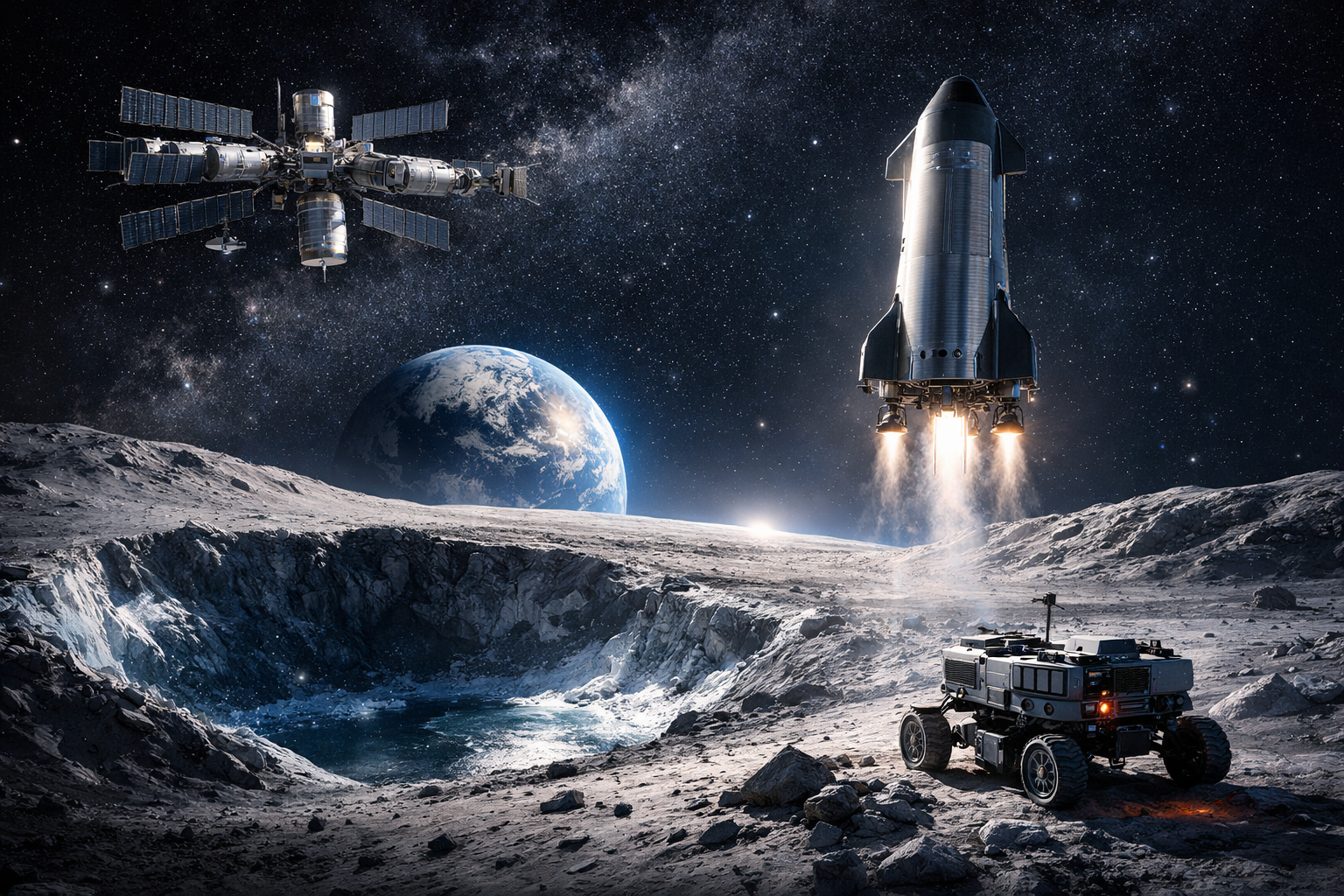
The world has entered a new era of lunar exploration. Countries and private companies now work together and compete to explore the Moon. The Lunar Gateway station plays a central role in this new phase. At the same time, the SpaceX Starship lunar lander prepares to carry astronauts to the Moon again. India moves ahead with Chandrayaan-4 mission prep, while China studies China Chang’e-6 samples. Japan shares progress through Japan SLIM mission updat. All these missions connect to a bigger goal. That goal is Lunar base development and long-term human presence on the Moon.
Space agencies now focus strongly on Lunar south pole exploration. Scientists believe this region holds water ice. Water ice discovery studies show that frozen water may exist inside deep craters. This water can help future astronauts survive. It can support fuel production and drinking water supply. Moonquake research also helps experts understand how safe it will be to build habitats. Every mission builds knowledge step by step. Together, they shape the future of lunar exploration.
Lunar Gateway Station and Lunar Base Development
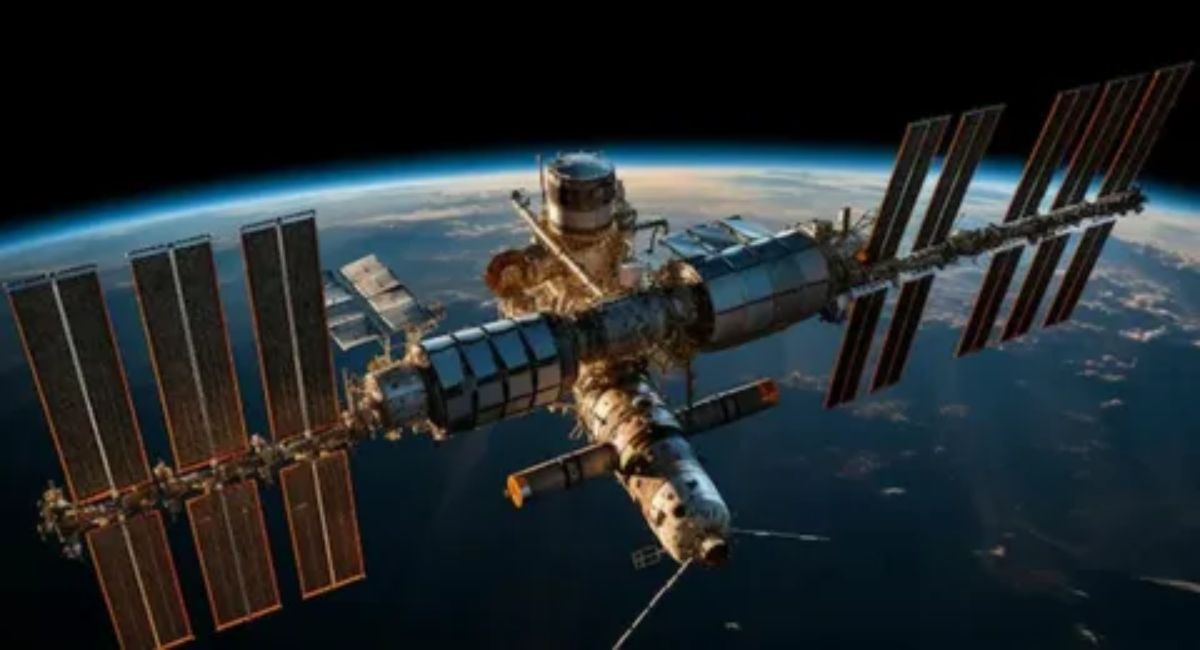
The Lunar Gateway station stands at the center of modern lunar plans. NASA and its partners plan to place this station in orbit around the Moon. The Lunar Gateway station will act as a small space station. Astronauts will stay there before traveling to the lunar surface. This station will support Lunar base development in the coming years.
The Lunar Gateway station will help transport supplies and crew safely. It will also support SpaceX Starship lunar lander missions. Astronauts will move from the Lunar Gateway station to the Moon’s surface using landing systems. This setup reduces risk and improves mission flexibility.
Lunar base development depends on stable infrastructure. The Lunar Gateway station provides that support. It will serve as a communication hub. It will also support science labs and research systems. Countries like the United States, Japan, Canada, and Europe work together on this project. Their goal is to build a permanent human presence near the Moon. The Lunar Gateway station is not just a station. It is the first step toward a lasting lunar base.
SpaceX Starship Lunar Lander and Human Return to the Moon
The SpaceX Starship lunar lander plays a major role in the Artemis program. NASA selected the SpaceX Starship lunar lander to carry astronauts to the Moon’s surface. This lander is powerful and reusable. It can transport heavy cargo and crew at the same time. This makes Lunar base development easier and faster.
The SpaceX Starship lunar lander will dock with the Lunar Gateway station. Astronauts will transfer into the lander and descend to the Moon. This system improves mission safety. It also reduces cost in the long run.
The large cargo capacity of the SpaceX Starship lunar lander supports Lunar south pole exploration. It can deliver habitats, tools, and rovers. This makes long-term missions possible. Water ice discovery studies depend on advanced tools. The SpaceX Starship lunar lander can carry those tools easily.
With reusable design and strong engines, this lander supports future Moon missions. It brings humanity closer to building a real lunar base. The SpaceX Starship lunar lander shows how private companies now shape space exploration.
Chandrayaan-4 Mission Prep and ISRO Lunar Rover Upgrade
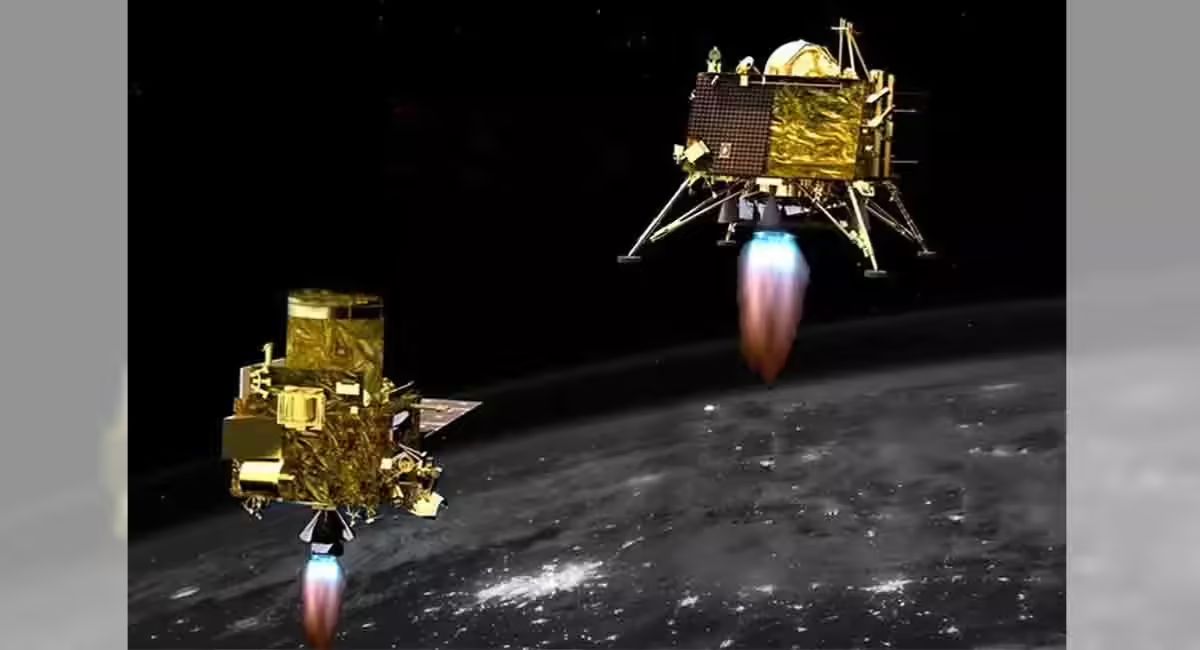
India continues to expand its lunar program. Chandrayaan-4 mission prep focuses on sample return and advanced surface study. After the success of Chandrayaan-3, India wants to achieve more complex goals. Chandrayaan-4 mission prep includes new landing systems and upgraded rover technology.
ISRO lunar rover upgrade plans aim to improve movement and data collection. The new rover will study soil, minerals, and possible water ice. These improvements support Lunar south pole exploration. India wants to explore the Moon’s surface in greater detail.
Chandrayaan-4 mission prep also includes better communication systems. These systems help connect with the Lunar Gateway station in future cooperative missions. The ISRO lunar rover upgrade allows longer operation on the Moon’s surface.
India’s missions contribute to global Lunar base development plans. Data collected from Chandrayaan-4 mission prep will support water ice discovery studies and Moonquake research. Each upgrade strengthens India’s role in global lunar exploration.
China Chang’e-6 Samples and Lunar South Pole Exploration
China achieved a major milestone with China Chang’e-6 samples. This mission returned samples from the far side of the Moon. Scientists now study these China Chang’e-6 samples to understand lunar history. These samples give clues about volcanic activity and surface age.
China Chang’e-6 samples also help Lunar south pole exploration plans. By studying soil and rock, experts learn about resource potential. This supports future Lunar base development.
The Moon’s south pole attracts global interest. Deep craters in this region never receive sunlight. These cold areas may contain frozen water. Water ice discovery studies confirm that ice may exist in shadowed regions. Access to water changes everything. It can support fuel production and human survival.
China Chang’e-6 samples provide important data. Combined with global missions, they help shape long-term lunar plans. Lunar south pole exploration stands at the center of this global race.
Water Ice Discovery Studies and Moonquake Research
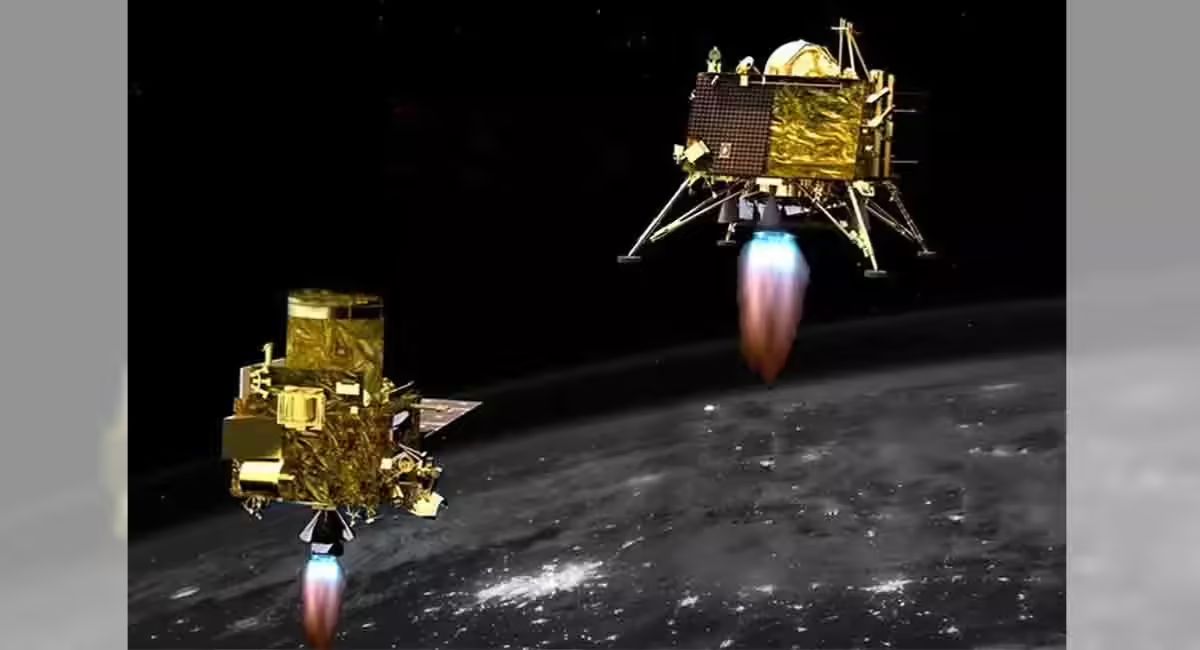
Water ice discovery studies remain critical for lunar missions. Scientists use satellites and rovers to detect frozen water. These studies show that water exists near the lunar south pole. This discovery supports Lunar base development.
Water ice can produce oxygen and hydrogen. Astronauts can breathe oxygen. Hydrogen can create rocket fuel. This reduces supply costs from Earth. The Lunar Gateway station and SpaceX Starship lunar lander depend on such local resources.
Moonquake research also plays a key role. The Moon experiences small quakes due to temperature changes and tidal forces. Moonquake research helps engineers design strong habitats. Lunar base development requires safe and stable construction.
Scientists study seismic data carefully. They want to understand the strength and depth of moonquakes. Moonquake research improves safety for astronauts. Combined with water ice discovery studies, it makes long-term settlement possible.
These research efforts shape future Moon missions. They help humans move from short visits to permanent presence.
Japan SLIM Mission Updat and Global Cooperation
Japan continues to improve lunar landing accuracy. The Japan SLIM mission updat shows progress in precision landing technology. SLIM stands for Smart Lander for Investigating Moon. This mission focuses on landing within a small target area.
The Japan SLIM mission updat highlights improved navigation systems. Precision landing helps Lunar south pole exploration. It allows missions to land near water-rich regions safely.
Japan also works with NASA on the Lunar Gateway station. This partnership strengthens Lunar base development plans. The Japan SLIM mission updat proves that accurate landing technology reduces risk.
Global cooperation defines modern lunar exploration. The Lunar Gateway station, SpaceX Starship lunar lander, Chandrayaan-4 mission prep, China Chang’e-6 samples, and Japan SLIM mission updat all connect under a shared vision. That vision focuses on sustainable human presence on the Moon.
Key Lunar Missions Overview
| Mission / Project | Country / Company | Main Goal | Connection to Lunar Base Development |
| Lunar Gateway station | NASA & Partners | Moon orbit station | Supports transport and research |
| SpaceX Starship lunar lander | SpaceX | Human landing system | Carries crew and cargo |
| Chandrayaan-4 mission prep | India | Sample return & surface study | Expands south pole research |
| China Chang’e-6 samples | China | Far side sample return | Provides geological data |
| Japan SLIM mission updat | Japan | Precision landing | Enables safe landing zones |
The Future of Lunar Base Development
Lunar base development no longer feels like science fiction.r Gateway station provides orbital support. The SpaceX Starship lunar lander offers heavy transport. Chandrayaan-4 mission prep expands research capabilities. China Chang’e-6 samples improve scientific knowledge. Japan SLIM mission updat enhances landing accuracy.
Lunar south pole exploration remains . Water ice discovery studies confirm resource potential. Moonquake research ensures structural safety. ISRO lunar rover upgrade improves surface mobility.
All these efforts work toward one goal. That goal is building a permanent and safe lunar base. The Moon may soon become a hub for deep space travel. It may support missions to Mars and beyond.
The world now stands at the edge of a new space age. Lunar exploration brings countries together. It also creates healthy competition. This balance drives innovation. The dream of living and working on the Moon moves closer to reality every year.
FAqs
What is the purpose of the Lunar Gateway station?
The Lunar Gateway station will orbit the Moon. It will support astronauts and cargo missions. It will act as a base before landing on the Moon’s surface.
Why is Lunar south pole exploration important?
Lunar south pole exploration focuses on water ice discovery studies. Frozen water can support life and fuel production on the Moon.
What role does Chandrayaan-4 mission prep play?
Chandrayaan-4 mission prep aims to improve surface study and possibly return samples. It strengthens India’s role in global lunar exploration.
Why is Moonquake research important for Lunar base development?
Moonquake research helps engineers design safe habitats. It ensures structures can survive lunar seismic activity.