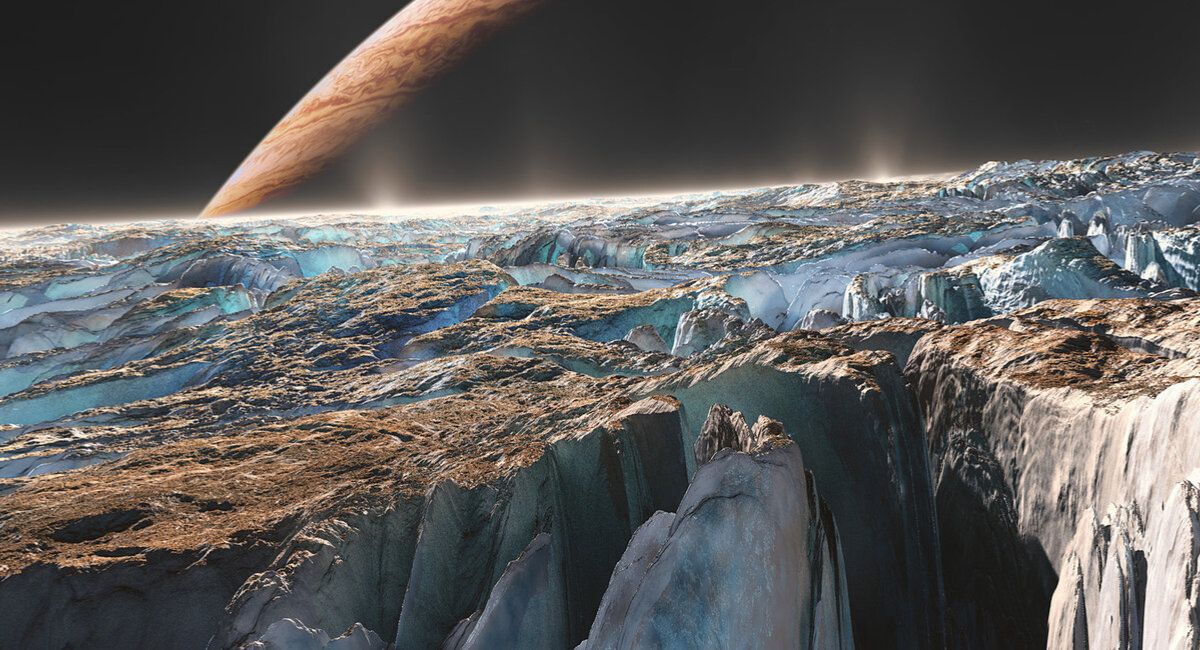
The moon has captivated humanity for millennia. It hangs in the night sky as a silent guardian, a glowing orb that influences our tides, our calendars, and our imaginations. When we look up, we see a world of contrasts. There are dark plains, bright highlands, and deep craters that tell a story of cosmic bombardment. This mysterious lunar surface is more than just a dusty rock. It is a complex landscape that scientists and astronomers are still working to fully understand.
For those interested in lunar science, understanding the geography of the moon is the first step. This means there is no wind or rain to erode its features. Every footprint left by astronauts on moon missions remains exactly where it was placed decades ago. This lack of geological change makes the moon a perfect time capsule of the early solar system.
In this guide, we will dive deep into the visual phenomena of the moon. We will discuss everything from the delicate waxing crescent moon to the breathtaking sight of a moonrise over horizon. Whether you are using a moon calculator to track Islamic dates or simply enjoy stargazing, this exploration of the mysterious lunar surface will provide you with new insights into our closest celestial neighbor.
Gemini said
The moon is often perceived as a static object, but it is actually a world of constant light and shadow. One of the most fascinating aspects of the mysterious lunar surface is the way it interacts with sunlight. Because the moon is tidally locked to Earth, we always see the same side. However, the amount of that side that is illuminated changes throughout the month. This is what creates the lunar phases we see from our backyards.
When the moon is just beginning its cycle, we see the waxing crescent moon. This thin sliver of light is a favorite for photographers and astronomers alike. It often appears with a faint glow on the dark portion of the moon. This phenomenon is known as Earthshine. It happens when sunlight reflects off Earth, hits the moon, and then bounces back to our eyes. It creates a ghostly, beautiful effect that adds to the mystery of the lunar landscape.
Modern research has shown that the moon is not as bone dry as we once thought. Scientists have discovered water ice in the permanently shadowed craters at the lunar poles. These areas never see sunlight, and temperatures can drop to extreme lows. This discovery has changed how we view the mysterious lunar surface. It suggests that future human colonies could potentially use this ice for life support and fuel.
The visual experience of the moon is also affected by our own atmosphere. When you see a moonrise over horizon, the moon often looks much larger than it does when it is high in the sky. This is known as the Moon Illusion. Additionally, the atmosphere can scatter light in a way that creates an eerie moon glow, giving the lunar surface a yellowish or reddish tint depending on the amount of dust and moisture in the air.
The Future of Technology Jobs: Navigating Builtin Careers and Remote Work
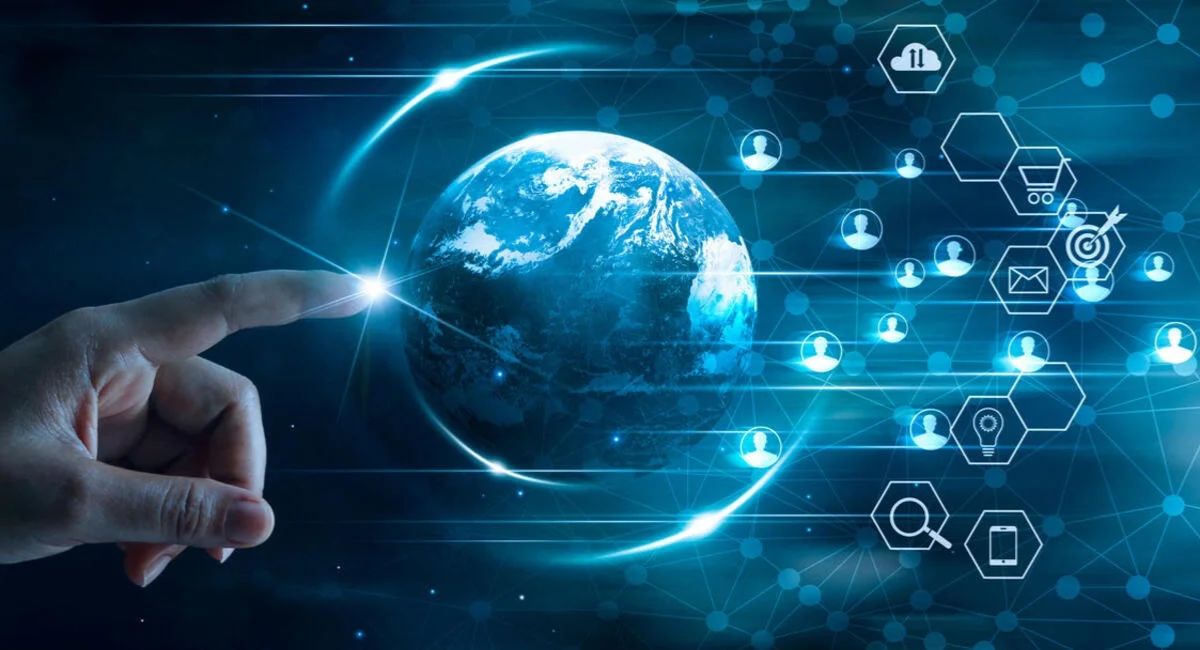
While our focus today is on the mysterious lunar surface, the technology required to study it is part of a much larger global trend. The intersection of aerospace engineering and data science has created a new wave of builtin careers. Many of the scientists analyzing lunar data or designing the next generation of lunar rovers are doing so through built in remote jobs.
The ability to work remotely has revolutionized the space industry. Researchers no longer need to be physically present at a launch site to contribute to a mission. They can use advanced simulation software and collaboration tools to design components from anywhere in the world. This decentralization of work is a hallmark of modern technology jobs, allowing for a more diverse and global workforce to tackle the challenges of space exploration.
For those pursuing builtin careers in this field, specialized skills are in high demand. Knowledge of robotics, autonomous systems, and AI is essential. As companies like Tesla and SpaceX push the boundaries of what is possible, the need for remote developers and systems engineers continues to grow. These professionals are the ones building the digital infrastructure that allows us to map the mysterious lunar surface with unprecedented precision.
Employee engagement in these high tech remote roles is often driven by the excitement of the mission. Working on projects that involve astronauts on moon missions or deep space probes provides a unique sense of purpose. Companies are focusing on maintaining this engagement through virtual hangouts, collaborative coding platforms like GitKraken, and transparent communication about project goals.
Middle East
The Middle East has a profound and ancient connection to the moon. For centuries, the lunar cycle has been the foundation of the Islamic calendar. This makes moon calculations a vital part of daily life and religious practice in the region. The sighting of the new moon marks the beginning of holy months, making the mysterious lunar surface a focal point for millions of people.
In modern times, countries like the United Arab Emirates and Saudi Arabia have made significant strides in space exploration. The UAE’s Hope Probe and their lunar rover projects demonstrate a renewed commitment to understanding the moon. These missions are not just about science. They are about inspiring a new generation of Arab engineers and scientists to look toward the stars.
The geography of the Middle East provides some of the best conditions for lunar observation. The vast, clear skies of the desert offer a perfect view of the moonrise over horizon. Without the light pollution of major metropolitan areas, observers can see the intricate details of the mysterious lunar surface with a simple pair of binoculars. The sight of a moon over mountains in the desert is a spiritual and aesthetic experience that has been celebrated in local poetry for generations.
Furthermore, the region is becoming a hub for tech talent. Many professionals in the Middle East are finding builtin careers that allow them to contribute to international space projects. The integration of AI and machine learning in lunar mapping is a growing field here. By leveraging remote work models, local experts can collaborate with space agencies worldwide, ensuring that the Middle East remains a key player in the global space economy.
South America
South America offers a unique perspective on the moon, particularly from the high altitudes of the Andes. Astronomers from around the world flock to the Atacama Desert in Chile to use some of the most powerful telescopes on Earth. The thin, dry air at these elevations provides an incredibly clear view of the mysterious lunar surface, allowing for detailed studies of craters and lunar soil.
The local culture in South America also holds a deep respect for the moon. In indigenous traditions, the moon is often seen as a powerful deity or a guide for agricultural cycles. Today, this traditional knowledge is merging with modern science. Students across the continent are learning how to use a moon calculator to understand how lunar phases affect everything from tides to animal behavior.
South America
One of the most striking visual sights in South America is the moon over mountains. Watching a full moon rise behind the jagged peaks of the Andes creates a sense of scale that is hard to describe. It highlights the vastness of our planet and its relationship with its satellite. For photographers, capturing the eerie moon glow against the snow capped mountains is a bucket list achievement.
The tech industry in South America is also expanding into the realm of remote aerospace support. As more international companies offer built in remote jobs, South American developers are finding opportunities to work on software for satellite tracking and lunar data analysis. This growth is helping to stabilize local economies and provide high value career paths for young professionals in the region.
The focus on education in South America is crucial. By teaching the next generation about the mechanics of the moon, from the waxing crescent moon to the full lunar cycle, these countries are preparing their citizens for a future where space travel may become a regular part of human life. The mysterious lunar surface serves as an accessible laboratory for students to learn about physics, chemistry, and mathematics in a way that is truly out of this world
Frequently Asked Questions (FAQs)
What makes the mysterious lunar surface look so different through a telescope?
When viewed through a telescope, the shadows cast by the sun highlight the rugged terrain of the moon. You can see the walls of craters, the long shadows of mountains, and the texture of the lunar plains (maria). The lack of atmosphere means there is no haze to blur these sharp details.
How does a moon calculator work for Islamic dates?
A lunar or moon calculator uses mathematical algorithms based on the moon’s orbit around Earth. It predicts the exact time of the New Moon and the visibility of the crescent. This is used to determine the start of months in the Hijri calendar, such as Ramadan or Shawwal.
What causes the eerie moon glow during certain nights?
This glow is usually caused by the scattering of light by particles in Earth’s atmosphere. If there is smoke, dust, or high humidity, the light from the moon is filtered, often resulting in a halo effect or a change in color. It doesn’t happen on the moon itself but is an optical effect seen from Earth.
Is the waxing crescent moon visible during the day?
Yes, it is often possible to see the waxing crescent moon in the late afternoon before the sun sets. Because the moon is at an angle from the sun, the illuminated portion is bright enough to be seen against the blue sky if the weather is clear.
Advertise With Us
Are you a manufacturer of astronomical equipment, a developer of educational apps, or a company looking to hire tech talent? We offer unique advertising opportunities to reach a dedicated audience of science lovers, students, and professionals. Our readers are deeply interested in the mysterious lunar surface and the technology used to explore it.
By partnering with us, you can place your brand in front of a global community. We specialize in high quality, SEO optimized content that stays relevant for years. Whether you are promoting a new moon calculator or looking to fill built in remote jobs in the aerospace sector, our platform provides the perfect backdrop for your message.