
Super Moon of 2026: Your Ultimate Guide to the Year’s Most Brilliant Lunar Events
The year 2026 is starting with a celestial bang. For anyone who loves looking up at the night sky, the super moon of 2026 is the headline event of the winter season. A supermoon is a beautiful natural phenomenon where the Moon appears significantly larger and brighter than usual, and in 2026, we are treated to several of these spectacles.
The first major event arrives early in January, known traditionally as the Wolf Moon. Because this full moon coincides with “perigee,” the point in the Moon’s orbit where it is closest to Earth, it earns the title of a supermoon. It is not just about size; it is about the intensity of the light that washes over the landscape, turning a dark night into a silver-lit wonderland.
In this guide, we will break down the dates you need to mark on your calendar, the science behind the glow, and how you can catch the rare overlap between the super moon of 2026 and the famous Quadrantid meteor shower. Whether you are a student, a photographer, or a casual observer, this post will help you make the most of the lunar year.
When is the next supermoon in 2026?
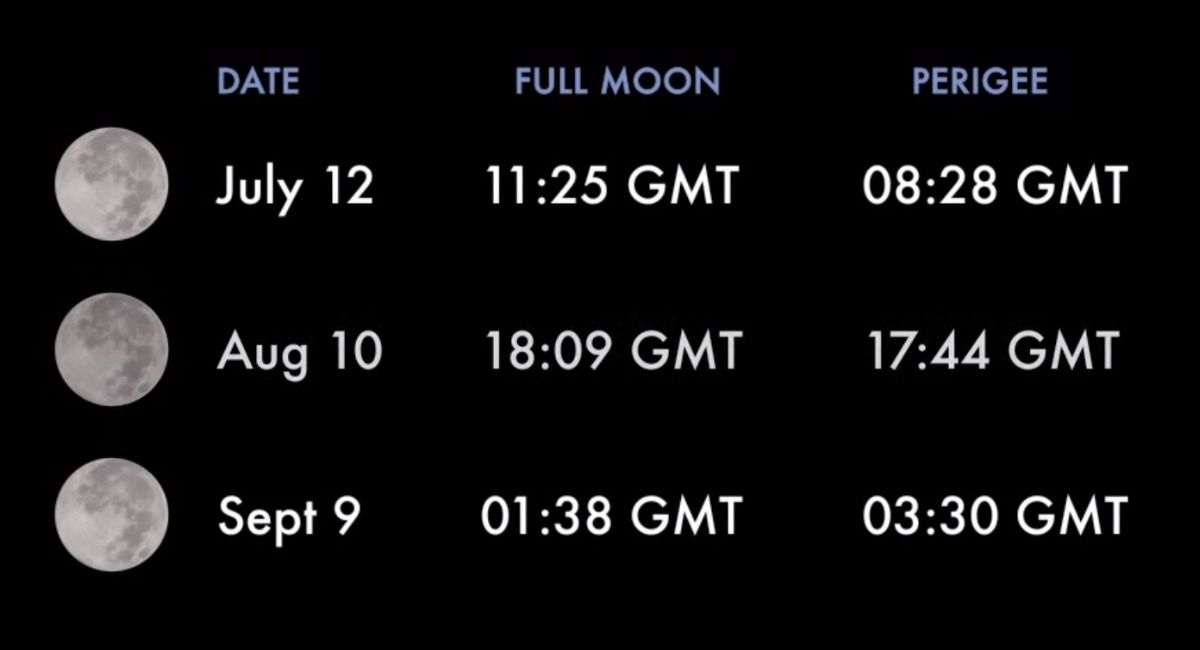
If you missed the very first few days of the year, do not worry. The super moon of 2026 actually appears in a series. While the January 3 Wolf Moon is the first, the year holds more opportunities for those who enjoy a massive lunar disk.
The next significant supermoons in 2026 are scheduled for late in the year. Specifically, the Beaver Moon on November 24 and the Cold Moon on December 24 will both be supermoons. The December event is particularly exciting as it falls on Christmas Eve, providing a “festive supermoon” that will be the largest and closest of the entire year.
The January 3 supermoon is technically the final one in a sequence that began in late 2025. This makes it a bridge between the two years. It peaks at approximately 10:03 GMT on Saturday, January 3, though it will look “full” to the human eye from the evening of January 2 through the early morning of January 4.
During these events, the Moon is roughly 362,312 kilometers away from Earth. While that distance is still vast, it is close enough to make the Moon appear 14 percent larger and 30 percent brighter than when it is at its farthest point, known as “apogee.”
How to watch the Quadrantid Meteor Shower?
One of the most unique aspects of the super moon of 2026 in January is its timing. It arrives during the peak of the Quadrantid meteor shower. The Quadrantids are known for producing bright “fireballs”—meteors that are larger and last longer than typical shooting stars.
To watch the Quadrantids, you do not need a telescope. In fact, telescopes are counterproductive because they limit your field of view. The best way to watch is to lie flat on your back and look up. NASA recommends lying with your feet facing northeast to get the best angle on the radiant point near the Big Dipper.
The light from the Moon acts like natural light pollution, washing out the smaller streaks of light. However, because the Quadrantids are famous for their fireballs, the brightest meteors will still be visible even against the moonlit sky.
The key to a successful viewing session is patience. Even if the Moon is bright, your eyes need that time to pick up the movement of fast-moving “shooting stars.”
When does the Quadrantid meteor shower peak?
Timing is everything when it comes to the Quadrantids. Unlike some meteor showers that have a peak lasting several days, the Quadrantids have a very short peak window of only about six hours.
In 2026, the peak occurs late on the night of Saturday, January 3, and into the early morning hours of Sunday, January 4. For viewers in the Northern Hemisphere, the best time is between 4:00 AM and 6:00 AM local time on January 4.
At this hour, the radiant point is high in the sky, and the supermoon has started to sink lower toward the western horizon. This creates a slightly darker patch of sky where the fireballs can truly shine. Under ideal dark-sky conditions, the Quadrantids can produce over 100 meteors per hour, but with the supermoon present, observers should expect to see about 10 to 25 of the brightest ones per hour.
It is worth noting that the Quadrantids are almost entirely a Northern Hemisphere event. Observers in the Southern Hemisphere will likely see very little activity, as the radiant point does not rise high enough above their horizon.
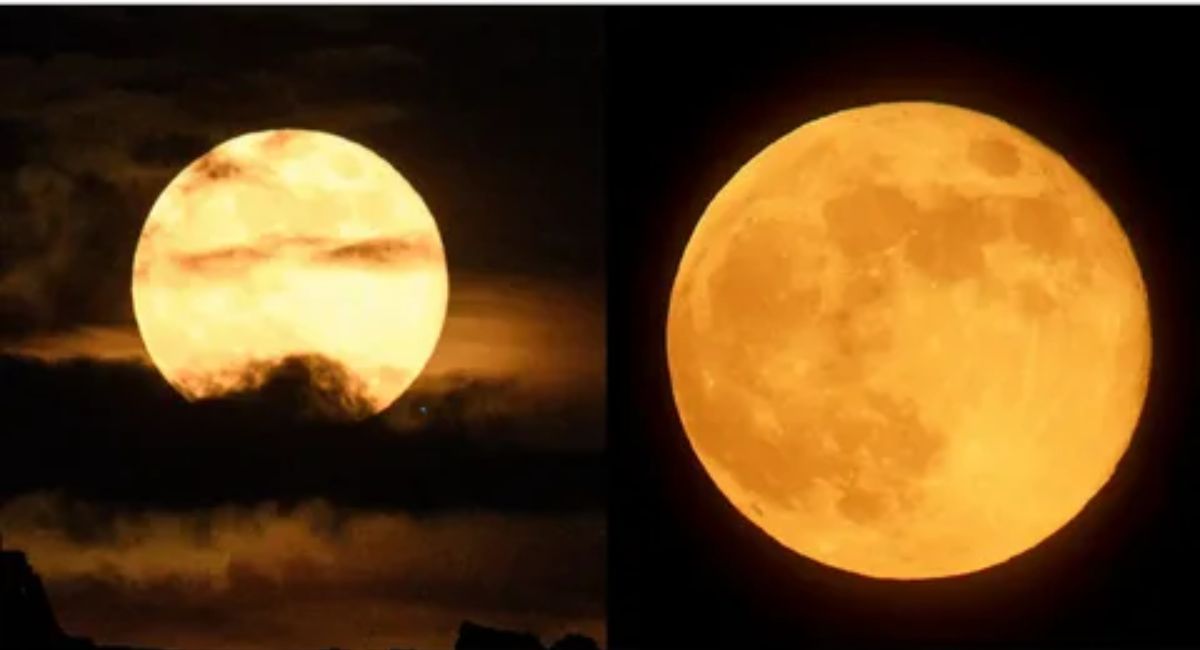
Watching the super moon of 2026 is one of the easiest and most rewarding astronomical activities. You do not need any special gear, but a few tips can enhance the experience.
The most dramatic time to watch the supermoon is during “moonrise.” This happens shortly after sunset. On January 3, look toward the eastern horizon. As the Moon emerges, it will be subject to the “Moon Illusion,” a trick of the brain that makes the Moon look absolutely massive when it is framed by trees, buildings, or mountains.
If you have binoculars, use them to explore the lunar surface. During a supermoon, the increased brightness and size make it easier to see the “seas” (dark volcanic plains) and large craters like Tycho. However, for the best view of craters, it is actually better to look a day or two before or after the full moon when shadows are longer and provide more depth.
To get the best photograph of the super moon of 2026, try to capture it just as it clears the horizon. If you are using a smartphone, tap on the Moon on your screen to focus and then slide the brightness (exposure) bar down. This will prevent the Moon from looking like a white glowing blob and will reveal the beautiful textures of the lunar surface.
How to watch January’s supermoon?
For the best experience, location is just as important as timing. While the Moon is bright enough to be seen from the middle of a city, the super moon of 2026 looks even more impressive if you can get away from streetlights.
. A local park, a beach, or even a rooftop can work perfectly. If you can position yourself so that a large object like a building or a tree blocks the direct glare of the Moon, you might even be able to spot more of the Quadrantid fireballs in the surrounding dark sky.
Since it is January, remember to dress warmly. Watching the supermoon and hunting for meteors involves standing or sitting still for long periods. Wear layers, bring a blanket, and perhaps carry a thermos of your favorite hot drink.
Finally, put your phone away once you have taken your photos. Staring at a bright screen ruins your night vision, making it harder to see the subtle details of the Moon and the quick flashes of the meteor shower. Give the sky your full attention, and you will be amazed at what you can see.
Summary of the Super Moon of 2026 Highlights
| Event | Date | Best Time to View |
| Wolf Supermoon Peak | Jan 3, 2026 | At Moonrise (approx. 5:15 PM) |
| Quadrantid Peak | Jan 3-4, 2026 | Predawn (4:00 AM – 6:00 AM) |
| Beaver Supermoon | Nov 24, 2026 | Evening |
| Christmas Supermoon | Dec 24, 2026 | All Night |
Frequently Asked Questions (FAQs)
How much bigger is a supermoon really?
A supermoon can look about 14 percent larger and 30 percent brighter than a “micromoon” (when the Moon is farthest away). While the size difference can be subtle, the extra brightness is usually quite noticeable.
Can I see the meteor shower if it’s cloudy?
Unfortunately, clouds will block both the supermoon and the meteors. If your local forecast looks cloudy for the peak on January 3, try looking on the nights of January 2 or January 4, as the Moon will still look full and some meteors may still be active.
Do I need a telescope for the super moon of 2026?
No. The supermoon is best enjoyed with the naked eye to appreciate its scale against the landscape. Binoculars are a great middle-ground if you want to see craters without the complexity of a telescope.
Conclusion
The super moon of 2026 is a reminder of the beauty that exists just above us every night. Starting the year with a “Super Wolf Moon” and a fireball-filled meteor shower is a gift for anyone who appreciates the natural world.
As we move through 2026, keep your eyes on the sky. From the January opener to the festive Christmas Eve supermoon in December, the lunar cycle continues to provide moments of wonder and peace. Whether you are using a lunar calculator to plan your next camping trip or just stepping out onto your balcony, the Moon is always there to light the way.
Take a moment on January 3 to step outside, breathe in the cool winter air, and look up at the silver glow. It is the perfect way to reset and find inspiration for the new year.
Footer – Main
Thank you for reading our guide to the super moon of 2026. We are passionate about making astronomy easy to understand for everyone. If you enjoyed this post, check out our other articles on moon phases and lunar calendars to stay updated on all things celestial.
Keep looking up, stay curious, and enjoy the magic of the 2026 night sky.
Would you like me to create a reminder list of the top 5 stargazing d