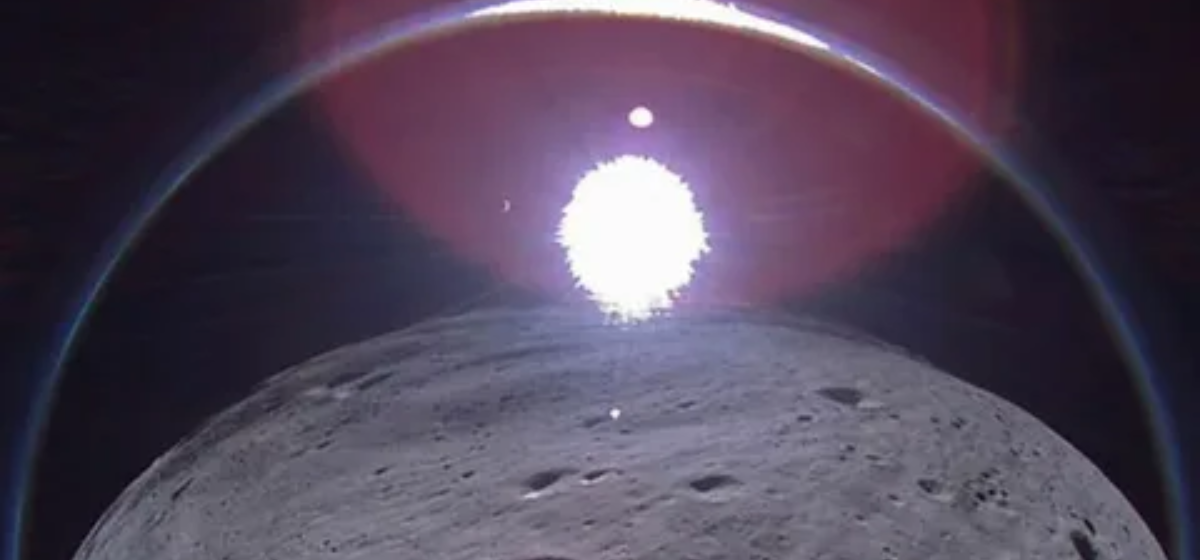
The United States moon sighting is an important practice for Muslims living in America. It helps decide the start and end of Islamic months. These months include Ramadan, Eid al-Fitr, and Eid al-Adha. Muslims follow the lunar calendar, not the solar calendar. Because of this, they must watch the moon every month. The new crescent moon, called the hilal, marks the beginning of a new month. Communities wait for confirmed reports before announcing dates.
The United States moon sighting affects prayer schedules, fasting, and Islamic celebrations. Families plan Ramadan and Eid based on moon announcements. Some groups rely on direct sighting with the eyes. Others use scientific calculations. Both methods aim to follow Islamic teachings. This system keeps religious events connected to the natural movement of the moon.
Understanding United States Moon Sighting and Its Importance
The United States moon sighting plays a central role in Islamic life. Muslims use the lunar calendar, which depends on the moon’s phases. Each month begins when the thin crescent appears after sunset. Without this sighting, people cannot confirm the correct start of a new month.
The lunar year is shorter than the solar year by about eleven days. Because of this, Islamic months move through different seasons each year. Ramadan can fall in summer one year and winter another year. This movement makes moon sighting necessary every month. Communities gather after sunset on the 29th day of the month. They search the western sky for the crescent. If they see it, the new month begins the next day. If not, the current month completes thirty days.
The United States moon sighting keeps Muslims spiritually connected. It reminds them of nature, faith, and tradition. It also brings communities together for a shared purpose.
How the United States Moon Sighting Process Works
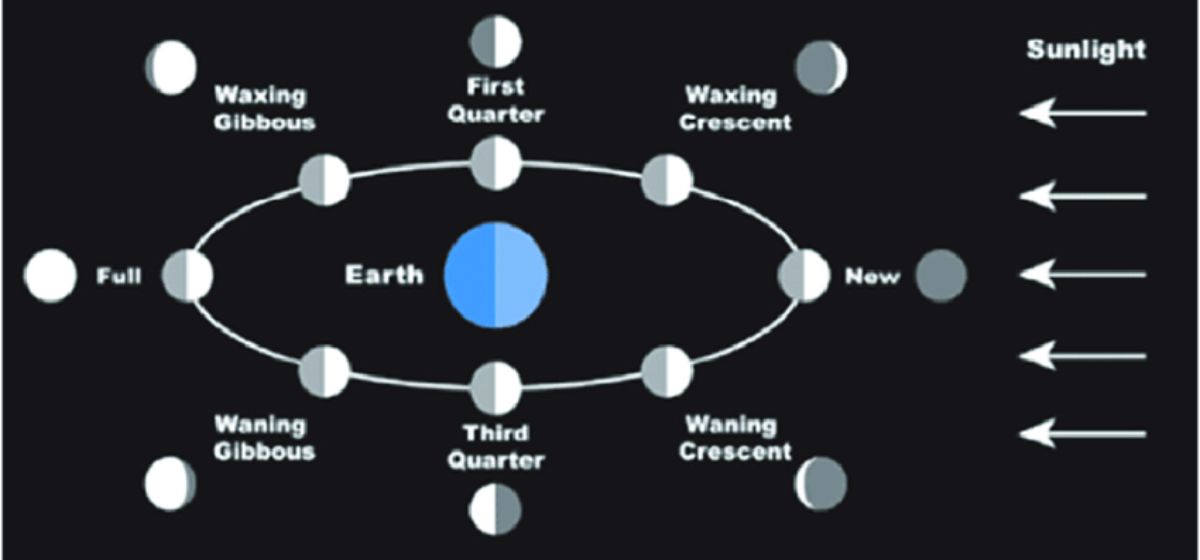
The United States moon sighting process usually begins on the 29th evening of an Islamic month. Observers go outside just after sunset. They look toward the western horizon. The crescent moon appears very thin and low in the sky. It may be visible for only a short time.
If reliable witnesses see the crescent, they report it to a moon sighting committee. The committee reviews the report carefully. Once confirmed, they announce the new month. Mosques then inform their communities through messages and social media.
Some groups also use astronomy. They check the moon’s age, position, and visibility. These calculations help predict whether the moon can be seen. Still, many Muslims prefer actual physical sighting. They believe this follows tradition more closely.
The United States moon sighting combines faith and science. It respects religious teachings while using modern knowledge to guide observers.
Committees and Organizations in United States Moon Sighting
Several groups help manage the United States moon sighting process. These committees collect reports from trusted observers. They review each sighting before making an announcement.
Local mosque committees play an important role. They organize observation efforts and guide their communities. Some national committees gather reports from many states. They try to unify decisions so Muslims celebrate together.
Differences sometimes happen. One group may accept a sighting while another may not. This happens due to different rules about witness verification or regional visibility. Despite this, most Muslims follow their local mosque’s decision. This keeps unity within communities.
The United States moon sighting system works because of cooperation. Volunteers, scholars, and observers all take part. Their shared goal is to confirm Islamic dates correctly.
Timeline and Example Dates from United States Moon Sighting
The United States moon sighting affects key Islamic dates every year. Before Ramadan, communities wait for confirmation of the crescent. If the moon is seen, fasting begins the next day. If not, they wait one more day.
For Eid al-Fitr, Muslims search for the Shawwal crescent at the end of Ramadan. The sighting determines the day of celebration. The same process applies to Eid al-Adha and the month of Dhul Hijjah.
Weather conditions often affect visibility. Clear skies help observers. Clouds or rain can block the moon. Because of this, predictions do not always match actual sighting.
| Event | Moon Sighting Result | First Day Observed |
| Ramadan Start | Crescent seen | Next day begins fasting |
| Eid al-Fitr | Crescent seen | Next day is Eid |
| Eid al-Adha | Crescent seen | Festival begins |
This table shows how the United States moon sighting controls major religious events.
Challenges and Differences in Moon Sighting in the United States
The United States moon sighting can sometimes cause confusion. One reason is weather. Clouds may hide the crescent even when it is present. This can delay announcements.
Another reason is different methods. Some groups accept sighting anywhere in North America. Others require local sighting only. Some follow calculations strictly. Others wait for physical confirmation. These differences lead to small date changes between communities.
Still, most Muslims understand these differences. They respect scholarly opinions and follow their local leaders. The purpose remains the same. Everyone wants to follow the lunar calendar correctly.
The United States moon sighting shows how faith adapts in a large country with different climates and time zones.
Tips for Taking Part in United States Moon Sighting
Anyone can join the United States moon sighting effort. Choose a place with a clear view of the western horizon. Go outside right after sunset. The crescent is very thin, so patience helps.
Avoid city lights when possible. Open fields or hilltops offer better visibility. Bring binoculars if available, but the crescent must still be visible to the naked eye for confirmation.
Report any sighting to a local mosque or committee. Do not rely only on personal observation. Verification is important before announcements are made.
Taking part in the United States moon sighting builds a strong spiritual connection. It makes people feel closer to nature and their faith.
United States Moon Sighting and Community Traditions

The United States moon sighting brings communities together. Families gather to watch the sky. Mosques hold meetings and share updates. Children learn about the lunar calendar through this experience.
Ramadan iftars, Eid prayers, and religious events depend on the moon sighting result. This creates excitement and unity. Even when opinions differ, people respect each other’s choices.
The United States moon sighting keeps an old tradition alive in a modern country. It connects believers to centuries of Islamic history.
FAQs
What is the United States moon sighting?
It is the process of observing the new crescent moon in the USA to mark the start of Islamic months.
Why is moon sighting important?
It determines the start of Ramadan, Eid, and other Islamic months.
Who announces moon sighting results?
Moon sighting committees and local mosques confirm and share announcements.
Can weather affect sighting?
Yes. Clouds and rain can prevent seeing the crescent.
Do all Muslims follow the same date?
Not always. Differences happen due to methods and regional conditions.