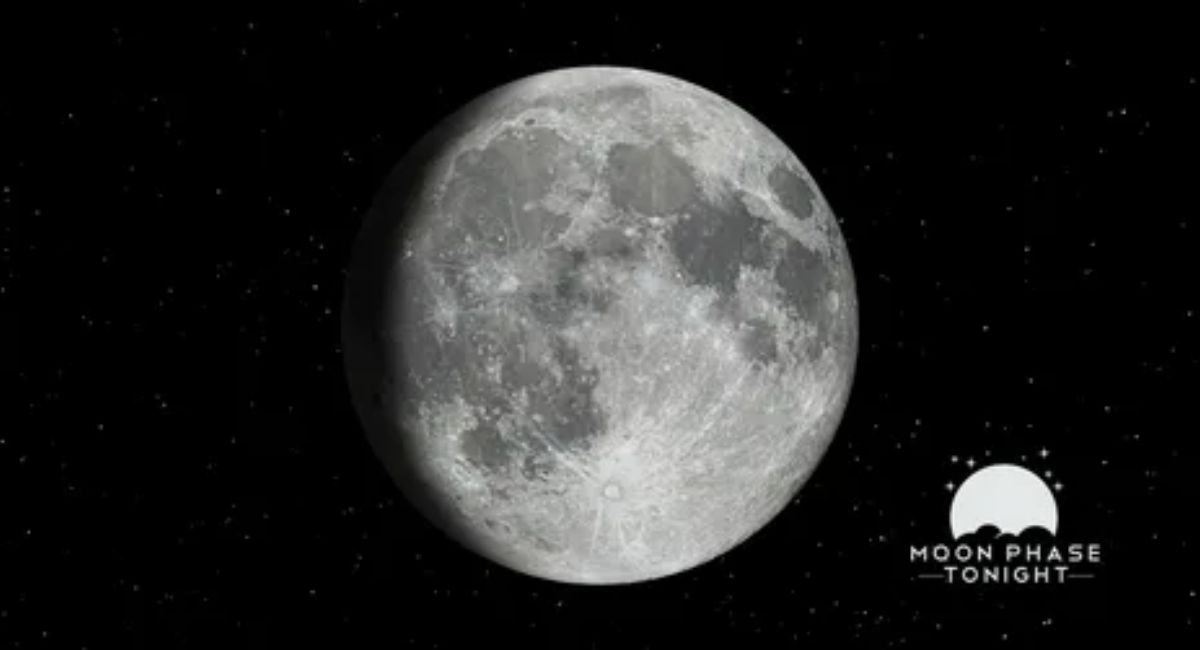
The night sky is a source of constant wonder and the Moon is its most prominent feature. If you have ever looked up and seen the Moon looking almost full but not quite a perfect circle, you were likely witnessing the Waxing Gibbous Moon phase.
This particular phase is a time of high energy and increasing light. It is a transitional period that holds great significance for astronomers, gardeners, and even historians.
To understand this phase, we must look at how the Moon travels around our planet. It does not just appear and disappear. It follows a rhythmic cycle that lasts about 29.5 days.
In this guide, we will break down what makes the Waxing Gibbous Moon phase unique. We will explore how to calculate its timing and what it means for your daily life.
More Information
The term Waxing Gibbous consists of two very specific words. Waxing means that the Moon is growing or increasing in illumination. Gibbous refers to the convex or bulging shape that is more than a half circle but less than a full circle.
This phase begins immediately after the First Quarter Moon. At that point, exactly 50 percent of the Moon is visible from Earth. As the days pass, the sunlight creeps further across the lunar surface.
During the Waxing Gibbous Moon phase, the illumination grows from 51 percent up to 99 percent. By the time it reaches the end of this phase, it can be very difficult to tell the difference between a Gibbous Moon and a Full Moon.
This phase typically lasts about a week. It is the final push before the peak of the lunar cycle. Many skywatchers find this the best time to observe lunar craters.
Because the sunlight is hitting the Moon at an angle, the shadows are long and deep. This makes the mountains and valleys on the Moon stand out with incredible clarity through a pair of binoculars.
More Information
Many people use a lunar calculator to keep track of these changes. A lunar calculator helps you determine the exact illumination percentage and the moonrise time for your specific location.
For the Waxing Gibbous Moon phase, the moonrise usually happens in the afternoon. It is often visible in the sky before the Sun even sets. It then stays visible for most of the night, setting after midnight.
This timing is important for those who follow lunar gardening. According to traditional wisdom, the Waxing Gibbous phase is the best time for planting crops that produce fruit above the ground.
Plants like tomatoes, peppers, and beans are said to thrive when planted during this window. The increasing moonlight and the unique gravitational pull are believed to encourage vigorous leaf and stem growth.
Scientific researchers also look at this phase to study tidal effects. While the strongest tides occur during the New and Full Moons, the Gibbous phase represents a steady build-up of gravitational energy.
Calculating the exact moment of a Moon phase can be tricky because the Moon does not care about our human time zones. This is why a related time zone tool is essential for accurate skywatching.
Most astronomical tables provide data in Coordinated Universal Time (UTC). If you are in New York or London, you must convert that time to your local clock to know exactly when to look up.
A related time zone tool allows you to sync your lunar calculator with your current location. This ensures you do not miss the “Golden Handle” effect.
The Golden Handle is a beautiful visual event that happens about two days after the First Quarter. Sunlight hits the peaks of the Montes Jura mountain range while the plains below are still in shadow.
Without a related time zone tool, you might head outside too early or too late to catch this rare lunar sight.
Related Time Zone Tool
Using these tools also helps photographers plan their shots. If you want to capture the Moon rising behind a city skyline, you need to know the exact minute it will appear.
The Waxing Gibbous Moon phase is particularly bright. This means photographers have to adjust their settings to avoid “blowing out” the highlights of the lunar surface.
By checking a related time zone tool, you can also see if the Moon will be high or low in the sky. When the Moon is near the horizon, it often looks much larger due to the “Moon Illusion.”
This is a great time to take photos because the light is softer. It also allows you to include Earthly objects like trees or buildings in the frame for scale.
Related Time Zone Tool
For educators and students, a related time zone tool is a great way to learn about the Earth’s rotation. It helps explain why the Moon rises at different times in different parts of the world.
When you combine a lunar calculator with a time zone tool, you get a complete picture of our celestial mechanics. You can see how the 29.5 day cycle interacts with our 24 hour day.
This understanding is the foundation of astronomy. It helps us realize that we are part of a much larger, moving system.
| Lunar Phase | Illumination | Duration | Best For |
| First Quarter | Exactly 50% | 1 Day | Evening viewing |
| Waxing Gibbous | 51% to 99% | ~7 Days | Above-ground planting |
| Full Moon | 100% | 1 Day | High tides and rituals |
Common Questions About the Waxing Gibbous Moon
What is the difference between Waxing and Waning?
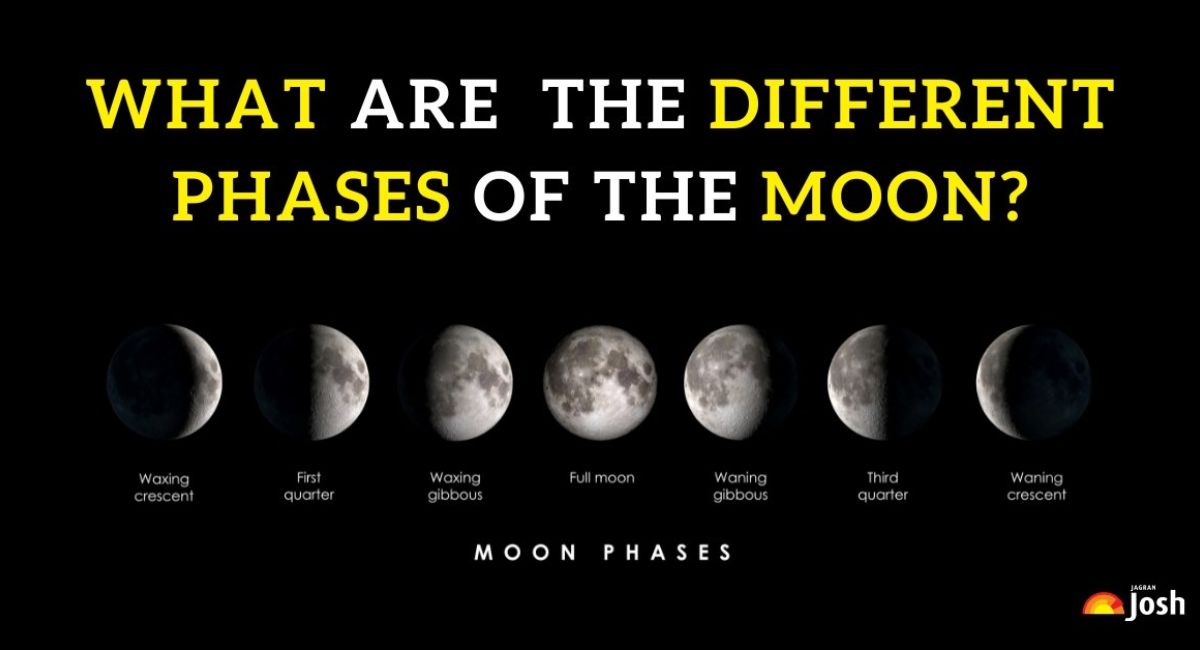
Waxing means the light is growing from New Moon to Full Moon. Waning means the light is shrinking from Full Moon back to New Moon.
Can I see the Waxing Gibbous Moon during the day?
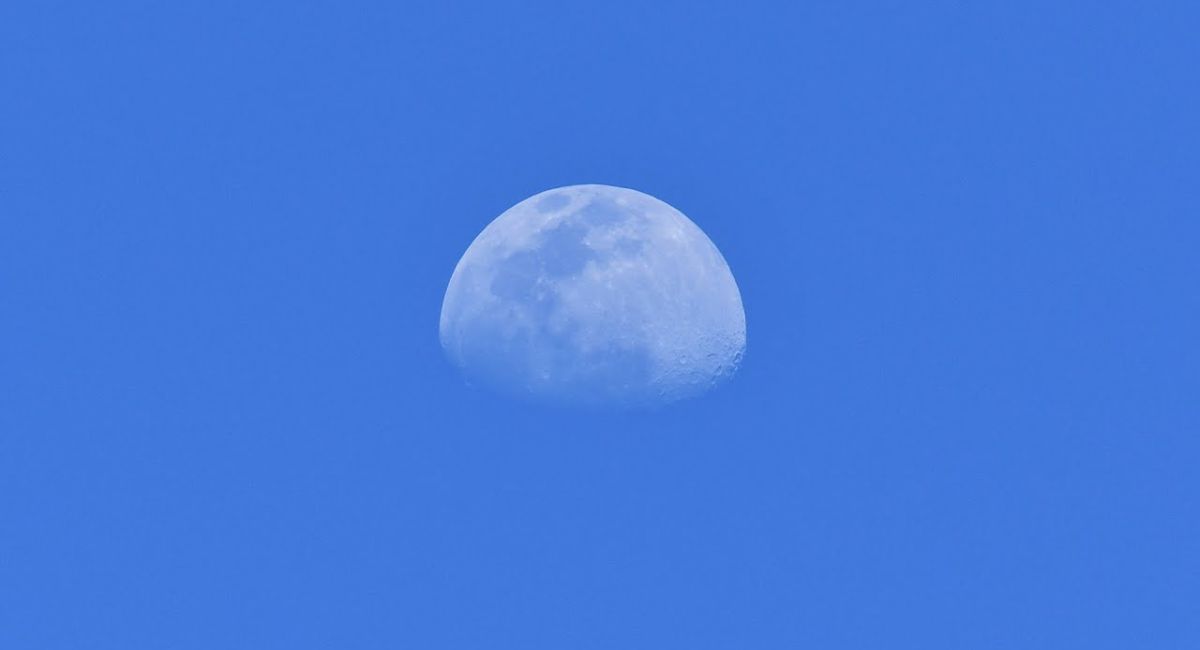
Yes, because the Waxing Gibbous rises in the afternoon, it is often visible as a pale, ghostly shape in the daylight sky before sunset.
Why is it called Gibbous?
The word comes from a Latin term meaning “hump-backed” or bulging. It perfectly describes the oval shape of the Moon during this time.
How does this phase affect the tides?
During this phase, the gravitational pull of the Moon and Sun are working toward an alignment. Tides begin to get higher as we approach the Full Moon.
Conclusion
The Waxing Gibbous Moon phase is a powerful time of growth and illumination. It serves as a bridge between the half-light of the First Quarter and the brilliance of the Full Moon.
By using tools like a lunar calculator and a related time zone tool, you can stay perfectly in sync with these celestial changes. Whether you are a gardener looking for the best planting time or a skywatcher hunting for craters, this phase has something for everyone.
Keep your eyes on the sky and watch as the light continues to build. Every night brings a new perspective on our nearest neighbor in space.
Would you like me to create a specific observation checklist for the next Waxing Gibbous phase in your area?
Check out this Moon Phase Guide to see a visual breakdown of how the Waxing Gibbous fits into the lunar cycle.